



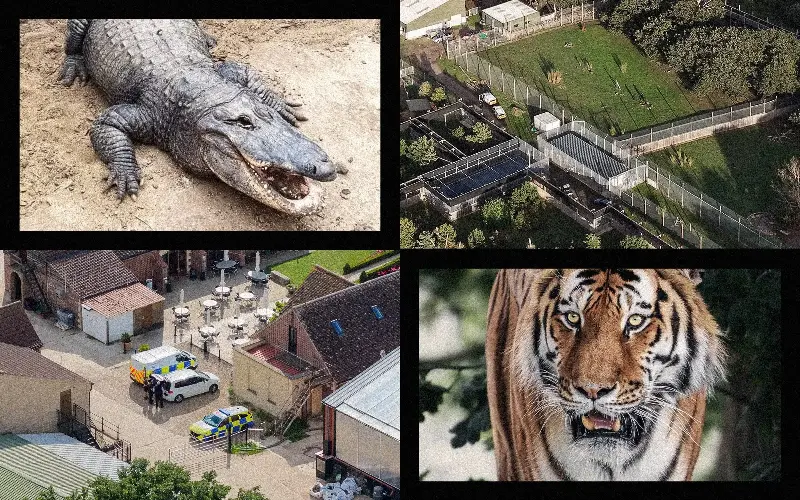
In the hazy October sunshine, Yorkshire Wildlife Park should be thronging with families today. Children pressing their faces against the glass, parents wheeling pushchairs along the winding paths, visitors gathering on the elevated walkways to catch a glimpse of the park’s magnificent tigers.
But in the aftermath of an almost unimaginable tragedy the 175-acre attraction in Doncaster stands eerily quiet. Its gates are closed, its cafés deserted. Just over 24 hours ago, a young man was mauled to death by a tiger in front of horrified visitors.
Marie Miller, a visitor at Yorkshire Wildlife Park, told The Telegraph how she had seen the young man entering the enclosure shortly before the attack, describing how he had previously been “happily enjoying seeing the tiger”, and had asked another visitor to take a photo of him.
“He obviously wasn’t with anyone and he asked a total stranger to take a picture of him with the tiger in the background,” added Miller.
A scene of extraordinary violence followed. Witnesses described the tiger attacking the man as visitors screamed and shouted, some desperately trying to distract the animal. Footage circulating online appeared to show him attempting to fend off the predator, even raising a finger towards it.
One mother visiting with her husband and two young children later described seeing blood where the tiger had dragged the man. Families were hurried away, emergency services called and a black screen hastily erected.
“It wasn’t nice – there were lots of people who looked really upset,” added Tia Hansen, another visitor.
The man was pronounced dead at the scene while the tiger remained inside its enclosure, unharmed.
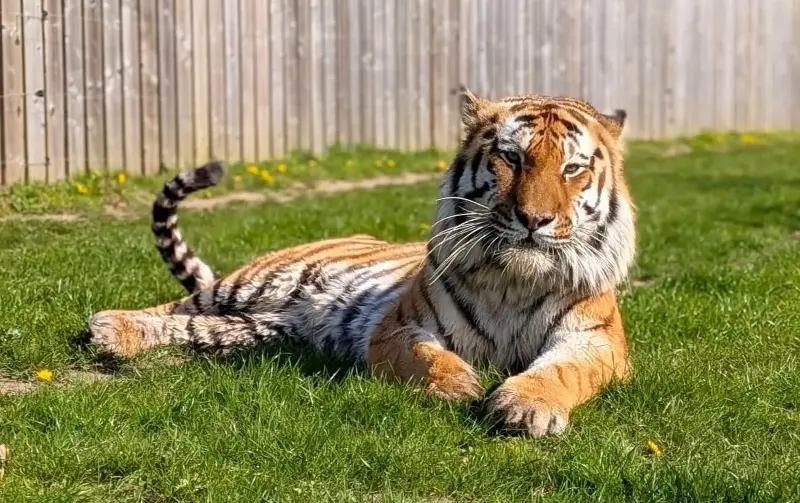
Details of exactly how the man came to be within reach of the animal are yet to be released due to an ongoing investigation conducted by police and other authorities. There is no evidence at this stage that safety procedures failed.
“My thoughts go out to the Wildlife Park, but also more importantly the family of the individual that was involved, because this is an incredibly challenging thing to happen,” says Jonathan Cracknell, a prominent zoo development and management consultant who has also helped with the writing of a new set of Defra standards on modern zoo practice for Great Britain which come into force next year.
“Zoos drill for a myriad of incidents occurring, and they’re very, very safe because of it. Considering the millions of people that go through zoos, these incidents hit the news because they’re so rare and uncommon,” he says.
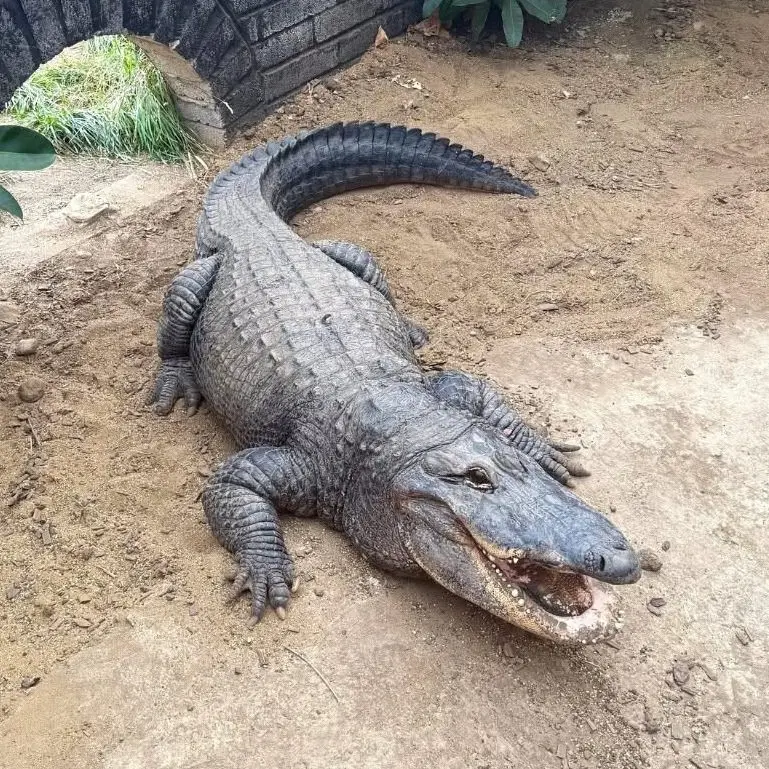
Yet the events at Yorkshire Wildlife Park come just four months after a three year-old boy was seriously injured in a crocodile enclosure at Johnsons of Old Hurst near Huntingdon, Cambridgeshire. According to the attraction, it received reports that the toddler had been thrown into a crocodile enclosure by a man who was subsequently arrested on suspicion of attempted murder and released on bail until December. Police said he had been assessed as unfit for interview. The boy was left with catastrophic injuries to his arms, head, neck and face.
So, combined with other well-publicised incidents around the world, it certainly feels that zoos may now have to reflect not just on how they are run, but what they are even for.
“A zoo, let’s be honest, has an entertainment function alongside the conservation and education piece,” says Cracknell. “They are all integral to each other but the key thing is that when people come to a zoo, it’s safe. That is paramount.
“Yes, there have been incidents over the last 50 years, and freak accidents – but it’s very important to differentiate between them and what can be human-led incidents that ultimately you can’t legislate for, that you can’t plan and strategise for in your safety designs and your responses.”
There is, then, the distinct impression that zoo safety may not have got worse, or animals somehow more dangerous, but that human behaviour itself has instead become a problem.
Paul Rose is a senior lecturer in psychology (animal behaviour) at the University of Exeter. “Whilst zoos will have risk assessments for a whole range of scenarios, we all know that individual human behaviour and associated actions can be idiosyncratic and unpredictable,” he says. “The zoo animals and the zookeepers or animal care staff are not the ones culpable for this. A modern zoo exhibit will have a public stand-off barrier, the barriers for animal containment and instructions for visitors to follow for their own safety.”
And as Cracknell points out, these standards set out by Defra aren’t new; they’ve just been strengthened and made clearer in many places. “All the ‘shoulds’ have gone now,” he says. “Everything is a ‘must’. It’s more robust, and it works for a licensing authority ensuring that there’s a consistent approach to safety.”
“Standards for access to dangerous species have changed and are very stringent,” agrees Rose. “Some of the most comprehensive globally.”
It’s a sentiment echoed by many in the industry. A spokesperson from Chester Zoo told The Telegraph: “UK zoos are strictly licensed and inspected, our procedures are kept under constant review as a matter of course, and we’ll look carefully at the authorities’ findings when they’re shared.” They added: “Our thoughts are very much with the family of the man who died and with the team at Yorkshire Wildlife Park.”
Still, some question whether even the most rigorous regulations can anticipate the behaviour of visitors determined to get close to animals. In Saturday’s horrifying incident for instance, the man is believed to have climbed a metre-high fence to gain access to the tiger enclosure. In 2019, a woman climbed over a concrete barrier at Wildlife World Zoo, outside of Phoenix, Arizona in a bid to take a selfie with a jaguar. The animal grabbed at her, ripping into her arm before she was pulled to safety by bystanders.
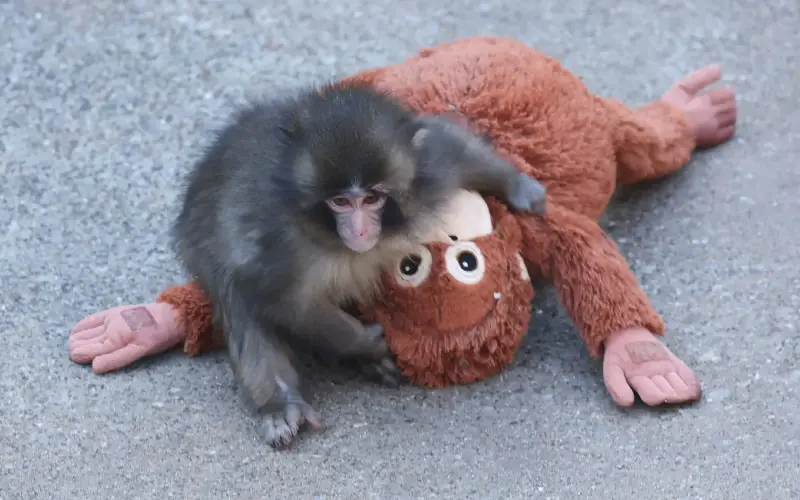
And in May, two American tourists were arrested in Japan after allegedly scaling a fence to enter the enclosure of Punch, a nine-month-old macaque who captured global attention after forming an unlikely attachment to a stuffed toy following his abandonment. “The majority of zoo visitors behave in a way that is respectful of the animals in the zoo they are visiting and respect the signs and instructions in and around enclosures to keep them and the animals safe,” says Rose, who argues that it would be a shame to limit access to the animals: “this would detract from the engagement and educational mission of zoos and aquariums and thus dilute the tangible conservation impacts that these facilities have.”
Still, it is unarguable that mobile phones and social media have changed the way visitors interact with zoos. In an era when animals can become internet celebrities they attract an intensity of attention far beyond London’s Zoo’s Chi-Chi the giant panda might have experienced in the 1960s.
Back then, people might have been happy to see a photograph of Chi-Chi with famous handler Desmond Morris. Now, people are desperate to put their own interactions with endangered species on YouTube. Not that many endanger their lives to do so, but as Susan Clayton, professor of psychology and environmental studies at the College of Wooster in Ohio, put it in National Geographic, the sheer amount of “content” out there is an implicit result of people using animals like props, thereby meaning they stop associating animals with danger.
“I do find it shocking nowadays, the amount of people putting stuff on YouTube with comedy music to get some viewers and meet their demand,” says Cracknell. “That’s not just at zoos, that’s everywhere. But even the incident yesterday – you have to ask why people have seen fit to put their footage on YouTube with no consideration for the individual, the friends and family of that individual, and the staff and the zoo.
“That wasn’t about reporting, that was just devaluing human and animal life.”