



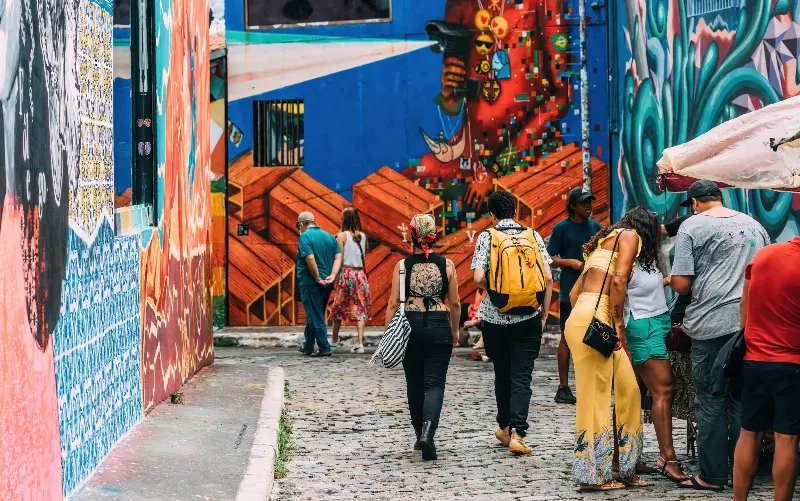
São Paulo, the most populous city in the Americas, is also shrouded in negativity. Indeed, its shady reputation, often eagerly promoted by Paulistanos, makes plenty of visitors to Brazil understandably swerve it.
It is huge, polluted and inaccessible, a stifling, dangerous concrete jungle with notoriously awful traffic. Most of it isn’t walkable. It can be grey and drizzly, even cold (by Brazilian standards). No wonder many tourists prefer the ritzy glamour and natural beauty of Rio, the allure and vivaciousness of Salvador, and the myriad stunning beach destinations across the country.
But to skip it is to miss one of the world’s great cities. “Rio is seductive, easy to fall in love with at first sight,” says Rafael Tonon, the author of a book on the history of São Paulo’s cuisine. “São Paulo is more challenging – grey, corporate, noisy. But it gradually reveals itself through every street corner, every neighbourhood.”
Restless and rewarding
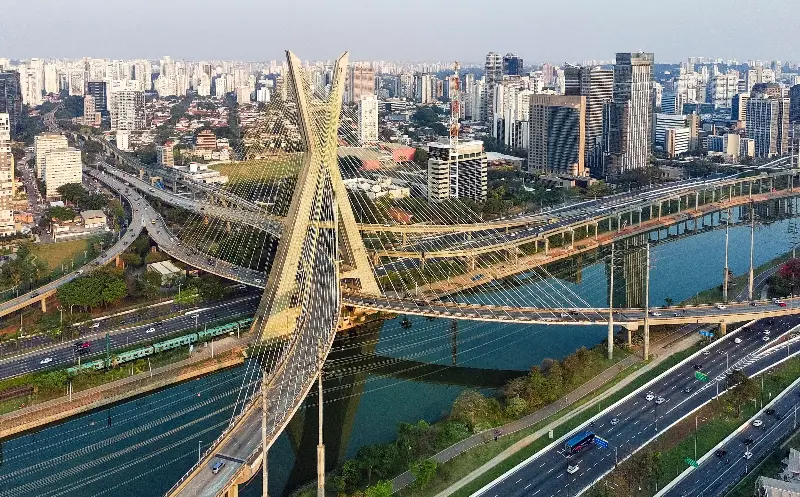
São Paulo’s history is vastly different from that of its eternal rival Rio, the country’s capital until 1960. Until the late 19th century it was a provincial backwater, with just 31,000 residents in the 1870s. Migration turned it into the country’s financial centre and, today, a sprawling metropolis 50 miles across at its widest.
My mother was born there, and I’ve visited every year of my life. The city is restless, and a few days can be tiring, but rewarding, too.
For those interested in culture, it’s a gem. In music, art, architecture and food, the options are endless and world-beating. Many of its most tourist-friendly areas, like bohemian Vila Madalena, Pinheiros, and upmarket Jardins, which straddles the main thoroughfare, Avenida Paulista, are indeed walkable – though hilly. They make for ideal bases, close to many of the highlights, and are relatively safe.
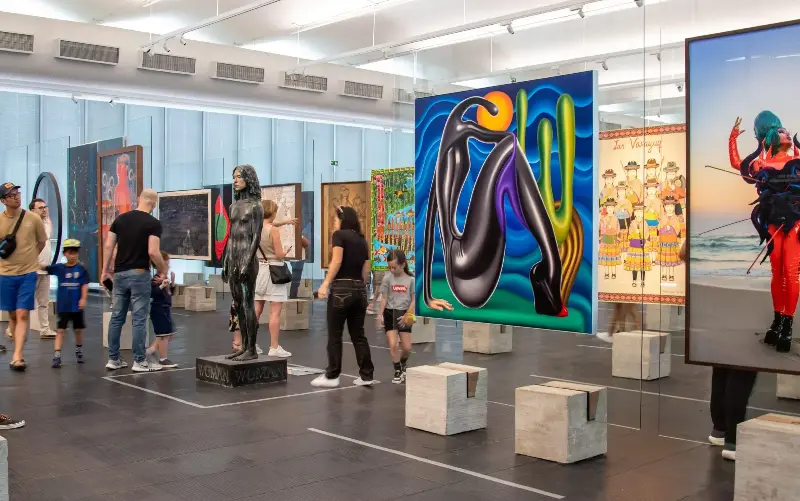
With hundreds of museums and galleries, São Paulo is an art lover’s paradise. The Museum of Art of São Paulo, or MasP as it is known, is essential. In a boxy, modernist building on giant red stilts, designed by the Italian-born Brazilian architect Lina Bo Bardi, it has one of the Southern Hemisphere’s largest art collections, both Brazilian and foreign, and last year expanded into another site across the road.
A short walk down Paulista you’ll find Instituto Moreira Salles, which focuses on Brazilian art and photography and is, happily, free. The Pinacoteca, in the crumbling but now gentrifying centre, houses a large collection of Brazilian art. São Paulo is also stacked with street art, although the much-visited Beco do Batman (Batman Alley) in Vila Madalena has, sadly, gone the way of Camden Market – a tourist trap best avoided.
Soccer and samba
Many of the city’s colonial-style townhouses were sadly destroyed, but modernist architects created an intriguing patchwork. One was Oscar Niemeyer, and his buildings are scattered throughout. The Copan, an S-shaped skyscraper in the city centre, is wonderful, and has a brilliant restaurant, Bar da Dona Onca, on the ground floor. Niemeyer also designed several unique structures in São Paulo’s main park, Ibirapuera (well worth visiting – where else can you see toucans in the middle of a metropolis?).
From the rooftop of the Niemeyer-designed Museum of Contemporary Art you’ll spot them all, including the Ibirapuera Auditorium, a white triangle with a strikingly enormous red tongue above its entrance. Finally, don’t miss Bo Bardi’s glass house. Also built on stilts (it inspired the MasP), it looks out onto exuberant jungle in the plush neighbourhood of Morumbi. Tours run by architecture students who speak excellent English can be booked on arrival.

A few minutes’ walk away is Morumbi stadium, home to one of Brazil’s biggest football clubs, São Paulo. The city has three major teams, Palmeiras and Corinthians the other two, and each is fervently supported. Taking in a match is a spectacle.
Rio may be famous for its carnival (São Paulo’s is great, too, if less historic), but São Paulo is a musical city in its own right. For traditional samba, try late-night spots in Pinheiros, like O do Borogodo or Julinho Clube. For a less raucous, sit-down affair, Bona Casa de Musica has a stellar lineup of Brazilian music. And don’t miss the stunning Casa de Francisca, set in a grandiose historical townhouse in central São Paulo (not the safest area, so go by taxi), where the music, and food, is superb.
A taste of São Paulo
For all of the city’s cultural heft, food is where São Paulo truly shines. Throughout the 20th century immigrants arrived from across Brazil and the world. São Paulo has the largest Japanese community outside Japan and a huge Middle Eastern population. There are Korean, Bolivian and Jewish neighbourhoods, plus huge numbers of Portuguese and Italians.
Most visitors flock straight to a sushi restaurant, and there are endless choices. For high-end omakase, try Kanoe or Aizome. Neither is in the traditional Japanese neighbourhood, Liberdade, which hosts a number of excellent Japanese spots. For generous portions of affordable sushi in Liberdade, try Sushi Yassuh, a stalwart since the 1970s. A few doors down you’ll find Kintaro, a tiny izakaya where portions of traditional Japanese drinking food cost just £3 and are the ideal accompaniment to a few ice-cold beers. In Pinheiros, Izakaya Matsu has a more developed menu. Don’t miss the pork sandos and takoyaki, balls of batter filled with diced octopus.
For Middle Eastern food, the Lebanese Tenda do Nilo in Paraiso is a lunchtime institution. Casa Garabed, an Armenian restaurant, has served esfiha – small, pizza-like flatbreads ubiquitous around the city – from a house on a residential street since 1951.
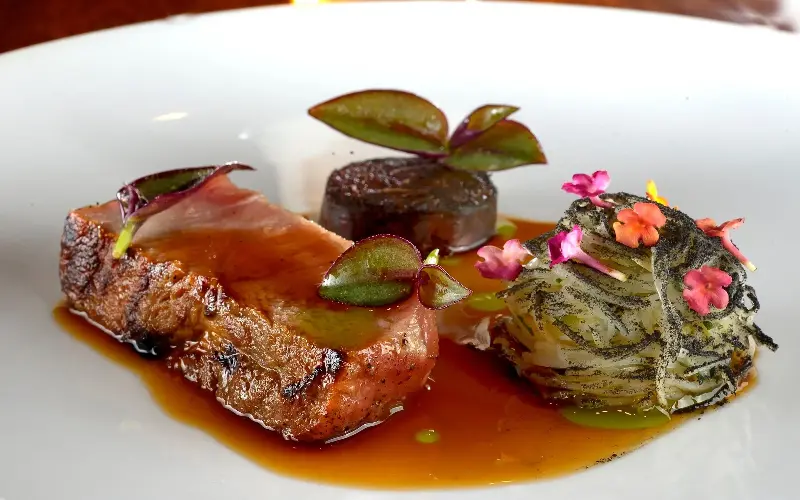
But don’t shy away from Brazilian food, and venture beyond the all-you-can-eat steakhouse. From the gritty and cheap to the high end, São Paulo has it all. In April, two restaurants, Tuju and Evvai, became the first in Latin America to win three Michelin stars. The former is sensationally good, emphasising local, seasonal ingredients with an ever-changing menu. Downtown, A Casa do Porco offers some of the most affordable fine dining in the world, using pigs reared on the owners’ farm.
For a more casual affair try one of the city’s many botecos, which are half bar, half greasy spoon. Practically every street corner has one, and the food is usually dependable, sometimes outstanding. My favourite is Bar do Biu, a lunch-only spot serving baiao de dois, a hearty pile of rice and beans that can include various – or all – of meat, pumpkin, cassava and smoked sausage.
To sample the West African-infused cuisine of Bahia, a state in the north-east of Brazil, head to O Tabuleiro do Acaraje, a bar where the sole item is acaraje, a black-eyed-pea fritter filled with pastes made from okra, peanuts and shrimp. Those after Amazonian fare – think huge river fish grilled over coals – should try Banzeiro.
Brazil is in vogue, and tourism is booming. Last year saw record arrivals, including to São Paulo, where efforts have been made to boost safety, including a huge rise in CCTV cameras in recent years. Yet, in the view of Gustavo Lopes, the city’s secretary of tourism, it remains underrated internationally.
Tonon agrees. While the city has long drawn international visitors on business, “few people think about the city as a destination, a place to visit and enjoy”, he says. Thanks to a raft of world-class museums and hotels, a thriving nightlife and one of the best culinary scenes in the world, that is beginning to change.
See The Telegraph’s guide to the best hotels in São Paulo