



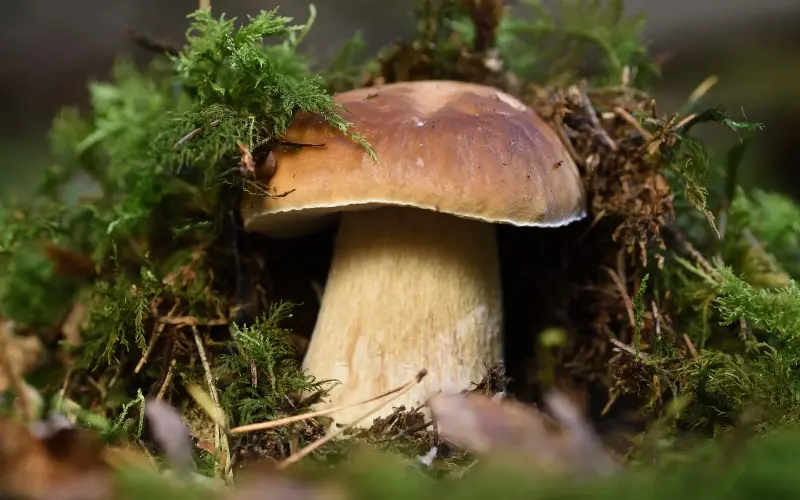
The summer heatwave has meant porcini are no longer springing up like mushrooms, and chefs are starting to sweat about it.
David Moore, owner of Michelin-starred Pied à Terre restaurant in London, said it had been proving impossible to find ceps, otherwise known as penny buns in the UK or porcini in Italy.
He said a “dog-eat-dog” mentality had broken out among restaurateurs vying for reduced mushroom supplies, and the price of some fungi had risen from £25 a kilo to £40.
Mr Moore said: “The price of some fungi has gone up by 50 per cent. You can’t get ceps at all at the moment and they should be everywhere at this time of year. There are Chinese ones but the flavour isn’t as good as the English varieties and you don’t want to compromise the quality of your menu. It’s a crazy situation.”
He added: “When you open your email from your supplier you don’t know whether you are going to get anything you have ordered or only half the things you need.
“It’s also become quite cut-throat with bigger restaurants willing to pay whatever suppliers want. And some suppliers have been ramping up their prices because they know the bigger restaurants will pay.”
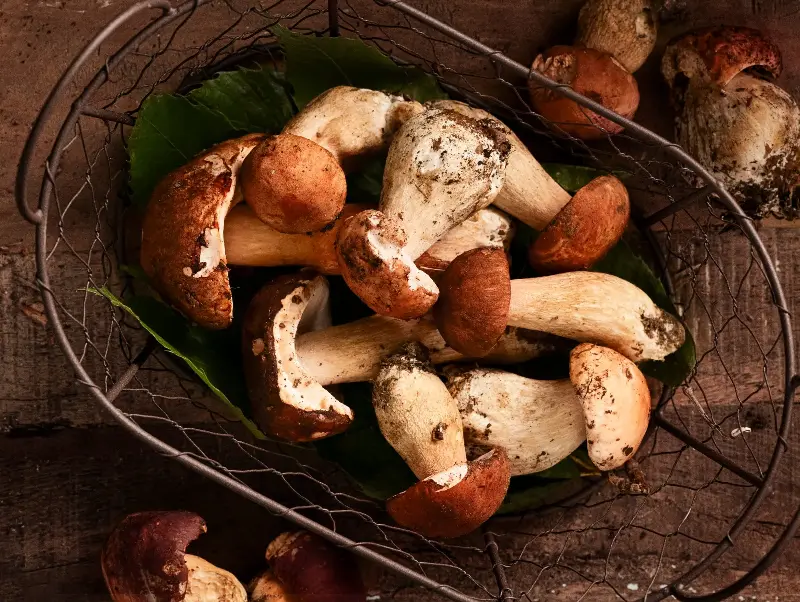
A summer drought, followed by flooding, had killed the root structures that mushrooms grow from, experts revealed.
Marlow Renton, of Hereford-based Wild Food UK, one of Britain’s leading foraging experts, said: “This summer, fungi have come under attack from two fronts – the drought, which is really bad for the mycelium, [the root-like body that grows underground] and then flooding, which also kills the mycelium.
“Some fungi, like chicken of the woods – Laetiporus sulphureus – have done quite well this summer but the mycorrhizal fungi – penny buns, chanterelles, morels and milk caps – that rely on the health of their tree partners have really suffered because they need moisture in the ground.
“This moisture feeds the trees and the trees provide nutrients for the fungi. When the ground is hot and dry, it has a devastating effect on the mycelium which shrinks back and dies.”
Mr Renton revealed porcini are not growing where he can usually find them, saying: “Where we would normally have a lot of penny buns at this time of year, I’ve only found one. You would normally see them around late August and all through September.”
Mr Renton, who has run foraging courses for 15 years, said he expects the fungi to start fruiting by October, but these are then at risk from frost. Because of the late growth spurt, the total mass of fungus fruit would be lower than normal, he said.
Dr Carol Verheecke-Vaessen, a senior lecturer in applied molecular mycology at Cranfield University, blamed climate change.
She said: “This summer was the hottest on record for the UK and third driest July on record, [with the] driest July on record for England. Such climatic changes, combining hot and dry conditions, impact the soil moisture that may lead to delayed or reduced production of fungal fruiting bodies – the visible reproductive structure also known as ‘mushroom’ harvested in the wild.
“It is especially relevant to species sensitive to temperature and drought. Evidence in the UK shows that fruiting dates in southern England are extending.”
Commercial mushroom growers have also been affected by the heatwave, because their growing tunnels became too hot for mushrooms to grow.
Adrian Ogden, of Gourmet Woodland Mushrooms near Leeds, runs a laboratory that supplies mushroom spores to growers – including black morels, shiitake and oyster mushroom varieties. He was forced to close for two weeks during the summer because the spores would not survive being transported in the searing heat.
He said: “I have been doing this for 26 years and this is the most challenging year I have ever had. Smaller growers that don’t have the expensive air conditioning the larger growers use really struggled in the heatwave as they grow their fungi in tunnel-like environments.
“The temperatures got so high that many mushroom (growing) bags wouldn’t produce – the same issue that we have seen occurring in the UK countryside.
“If it’s too hot the mycelium, which underpins the fruiting process stays vegetative as it needs cool temperatures to shift into its reproductive stage.
“I had to close for two weeks and now I am facing installing expensive new air conditioning in case of future heatwaves.”