



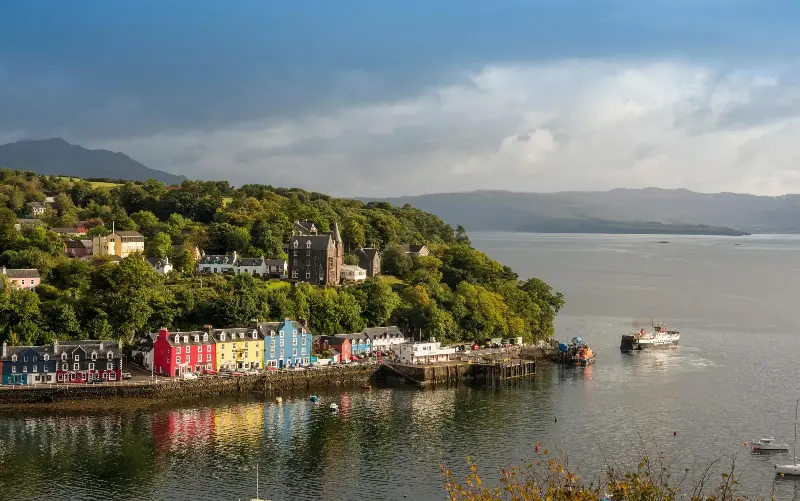
Those travelling in Scotland today are met by an intoxicating combination of the ancient and the modern. This is a land of neolithic remains and neologisms – and the world’s tourists are, increasingly, taking notice. For starters, there has been a surge of interest in travel to Scotland from across Europe and America, not to mention that more than 50,000 people moved permanently to Scotland from the rest of the UK in the 12 months leading up to July 2025.
So yes, certainly, there is much to love about Scotland if you’re a tourist – but beauty, history and magnificent whisky can take you only so far for so long. There are shortcomings festering away in the foundations that could all too soon put a screeching halt to Scotland’s wave of popularity. If the country wants to keep its tourists sweet, it must do these six things before it’s too late.
Offer more cheap travel options
It’s clear that transport options are changing tourism in this region, challenging the monopoly of train travel, but these can go much further. The Ember bus system was founded in 2019 as the world’s first all-electric intercity bus operator. Running on electricity means they’re better for the environment but also makes for a smoother, quieter experience (or at least the engines are quieter – they’re often very chatty environments).
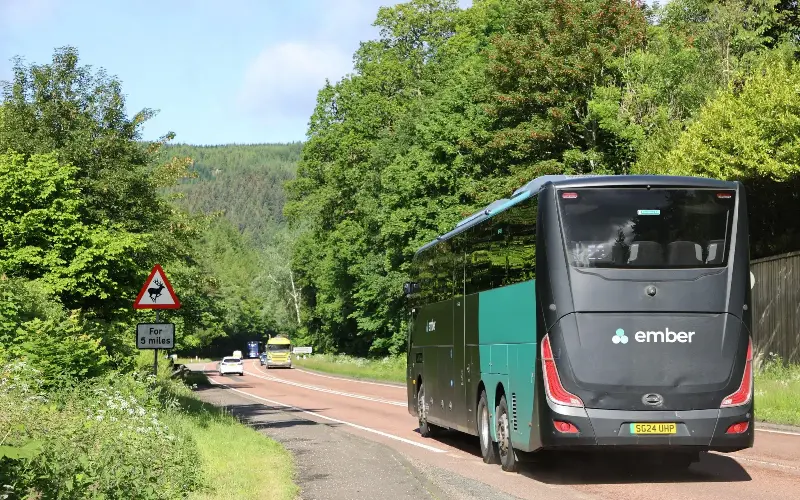
The main innovation was the GPS allowing you to track your ride Uber-style, which makes a huge difference when you are waiting on a quiet Highland road. There’s hope for a direct route to Skye, but more options around the Highlands would be great.
Shout about Scottish street food
Though Scottish seafood has long been exported around the world, in the early 1990s you were most likely to find it within Scotland itself only at luxury hotels. With scores of Michelin stars handed to top Scottish restaurants in recent years, the idea persists that you must pay top whack to get good local seafood in Scotland. But that’s far from the case.
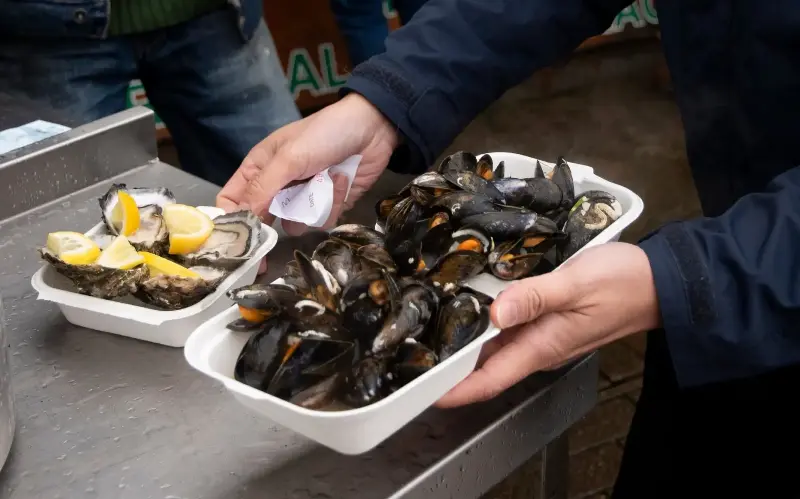
When I arrived in Oban recently, my first port of call was the famous seafood shack wedged between the railway station, the ferry port and the local Wetherspoons. It is perhaps the most important foodie destination in the Highlands. This place, which never stooped to having its own Instagram account but nevertheless became famous on the app, today draws a stream of international tourists, clad in Arc’teryx and Montane all-weather gear while scoffing langoustines in garlic butter and crab sandwiches.
Such places are rewarding to seek out. The CalMac ferry ride to Mull, for instance, is worth it for The Fisherman’s Pier Seafood in Tobermory alone.
Market the weather as a strength, not a weakness
Scotland should become the primary destination for Southern Europeans for a “coolcation” escape from punishing heat. Although stats from this summer’s travel are not yet in, the Moffat Centre at Glasgow Caledonian University has noted that travel-intelligence platforms like eDreams Odigeo are showing huge interest in Scotland across Europe, including double-digit increases in searches for flights to Scotland from parts of Southern Europe.
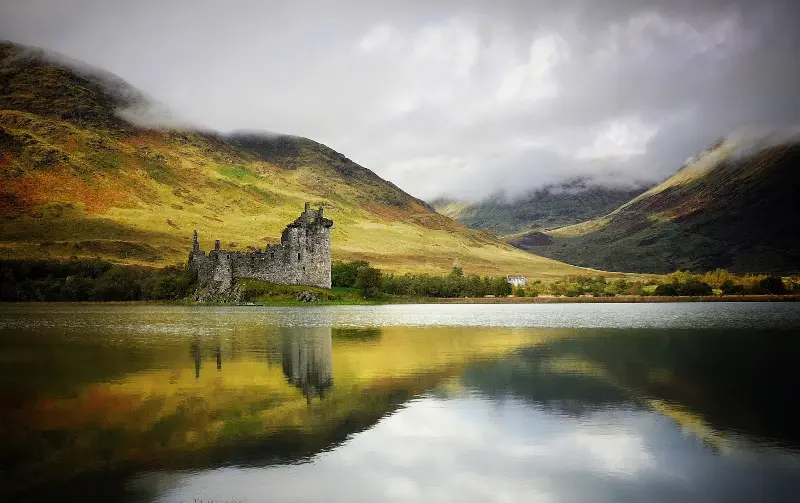
Loch Awe alone is one billion cubic metres of cool, dark water, cupped in a deep green valley down which unnamed waterfalls run. This is a chance to see Scotland anew. The romantic landscapes of glen and loch that we thought we knew, now drenched and deliciously sodden, have been suddenly revitalised.
Tip the balance in favour of hospitality
Trust in Scottish resourcefulness. Despite concerns that Brexit would stymie the number of workers needed for the catering industry, the service in restaurants and cafés in Scotland has, if anything, improved. The seasonal foreign waiting staff may be gone, but 16-year-old Scottish lassies have stepped into the breach. More support and encouragement for seasonal workers from the south should be considered, particularly for the hotel industry.
A seasonal job paying £12 an hour isn’t viable without some kind of support in terms of live-in accommodation. Create a Seasonal Worker Accommodation Fund, allowing hotels to convert unused staff areas into accommodation, or create shared accommodation between several hotels.
Give hoteliers a break
Nothing sums up the situation in Scotland as well as Strathyre. The Broch Cafe, which opened in 2015, is a great find and a super-friendly place for incomers and locals to mingle over good, cheap food and drink, but the town’s high street is dominated by a series of semi-shuttered small hotels. Especially frustrating given that accommodation costs are the big drawback in Scotland and why UK visits to the Highlands have dropped, whilst they’ve increased from abroad.
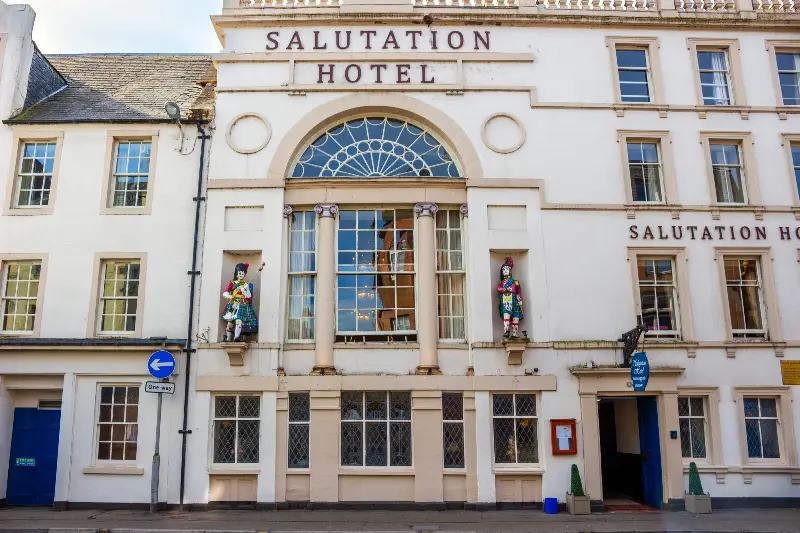
Look behind the headline explanations about Brexit and Covid, and there is an industry dealing with a perfect storm of visitor levies, new fire regulations, minimum-wage increases, the new employment-rights act and a huge churn in the way business rates are calculated. Just stop already.
Remember independents
Small chains such as Strathmore Hotels, which went into administration this month, are struggling, but even more so are the one-offs and the informal B&Bs (genuine bed and breakfasts, rather than the Air variety). These places are almost lifestyle choices, an extension of the traditions of hospitality that run deep in the history of the Highlands: families or couples opening their homes to visitors in the summer months.
Although they tailed off after Covid, it was clumsy legislation created at Holyrood as much as Westminster that meant many such ventures never returned. Inflation and fuel costs further hampered them. Scotland still has a pretty constant number of hotels, but the market is increasingly characterised by larger branded operators investing in city-centre hotels.
In more ways than one, Scotland is cool and very well placed to benefit from tourists’ needs in the future. But by applying the same spirit of innovation that gave the Ember bus and the seafood shack, it could be so much cooler.