



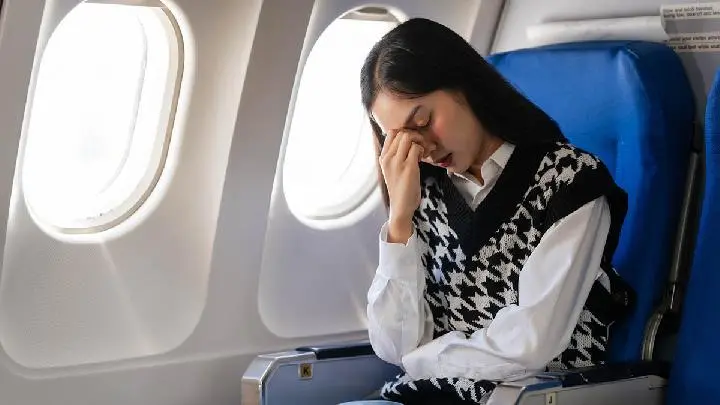
TEMPO.CO, Jakarta - One of the challenges faced by passengers in long-haul flights is sleep. The long duration and cramped space can make it difficult for passengers to rest, but some tips can help travelers get enough rest during flights to arrive at their destination feeling refreshed.
An experienced Virgin Atlantic flight attendant shares some tips for finding the right seat to get a good sleep during long flights, including avoiding turbulence and choosing the perfect seat row.
Choosing Seat Rows for Comfort
The unnamed flight attendant suggests choosing a seat over the wing for a more comfortable journey. Seats over the wing experience less turbulence. "Sitting over the wing is often one of the smoother spots on the plane," said the flight attendant who collaborates with AllClear Travel Insurance, in a statement to Travel+Leisure.
If the seat is already booked, opting to sit near the front of the plane could help. According to the flight attendant, sitting closer to the aircraft's center of gravity tends to result in less jolts and vibrations compared to seats further back. The farther forward, the less impact from turbulence.
Ideal Seat Rows in the Middle
The flight attendant states that the ideal seat for long-haul economy passengers is five rows from the front or five rows from the back of the economy cabin. These rows tend to be quieter as they are far enough from people gathering near the lavatory, galley, partitions, and emergency exits.
Seats near emergency exits are often seen as advantageous because of the ample legroom. However, according to the flight attendant, in some older aircraft, the seats near the emergency exits can be quite cold. If sensitive to cold, it's best to avoid these seats, which are a compromise between space and potential noise.
Lastly, the flight attendant suggests the best way to ensure feeling refreshed despite the long flights is by having a plan and sticking to it. This includes avoiding heavy meals before sleeping, bringing earplugs and an eye mask, and adjusting the duration of sleep to normal sleeping hours.
"You’d be surprised at how many passengers snore, it’s nothing anyone can help," she said, adding that passengers must not hesitate to ask the cabin crew for an extra blanket to feel comfortable.