


Despite being high in fat, avocados are a natural "weapon" that helps sweep away bad cholesterol and protect cardiovascular health very effectively. Photo: Magnific .
Besides being delicious, avocados are also a "natural powerhouse of nutrients" thanks to their richness in fiber, vitamins, minerals, and healthy fats.
The fiber in avocados nourishes beneficial gut bacteria, reduces inflammation, and protects against colorectal cancer. Monounsaturated fats help increase good cholesterol and decrease bad cholesterol, while potassium and magnesium help stabilize blood pressure.
Avocados are also rich in carotenoids, vitamins C and E, which help fight oxidation and protect the heart and brain. Although high in calories, avocados create a feeling of fullness, supporting weight management. Thanks to their low glycemic index, avocados also help prevent and control type 2 diabetes.
For those with abdominal obesity, dietary changes are one of the most important ways to reduce the risk of cardiovascular disease. New research published in the journal Clinical Lipidology suggests a simple yet significantly beneficial habit: eating an avocado more often.
Research conducted by scientists from the Department of Nutritional Sciences at Pennsylvania State University (USA) shows that obese adults who consistently eat one avocado a day may reduce levels of low-density lipoprotein (LDL) particles in their blood.
The study lasted six months and involved 786 adults over the age of 25 with abdominal obesity. Participants were divided into two groups. One group maintained their normal diet and lifestyle, while the other group continued their lifestyle but added one avocado to their daily diet.
After comparing blood samples before and after the study, scientists found that the group that ate avocados daily had an average reduction of 49 nanomoles of LDL particles per liter of blood. This improvement corresponds to approximately a 4% reduction in the risk of heart disease.
Notably, despite adding an avocado to their daily diet – a fruit that is generally quite high in fat – the participants' weight and waist circumference remained virtually unchanged. According to the researchers, this suggests that avocados may improve the body's "cholesterol environment" without necessarily leading to weight gain under typical daily dietary conditions.
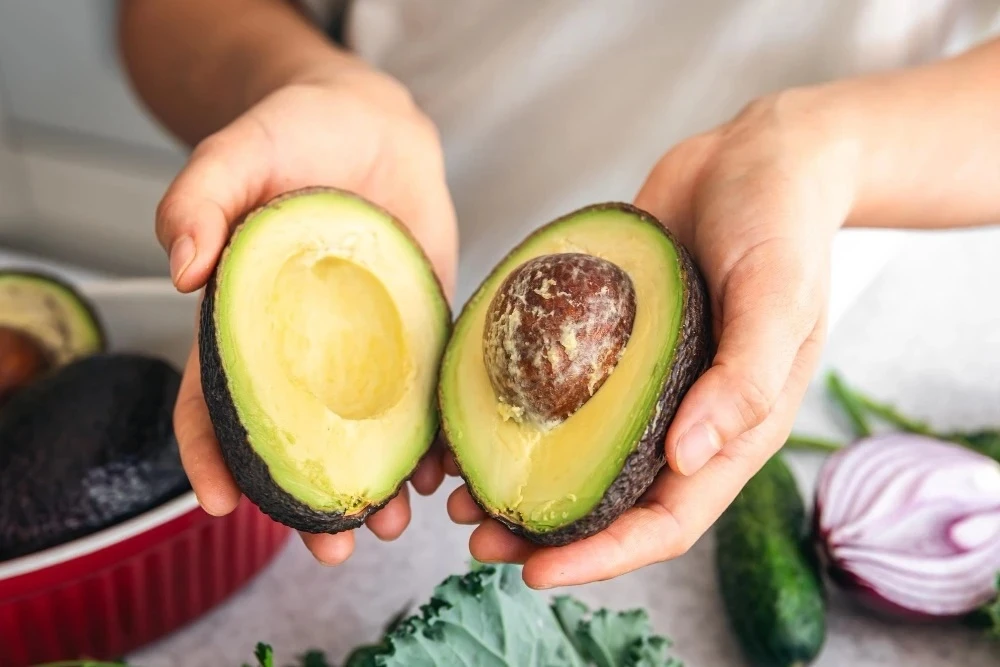
Research shows that eating one avocado a day offers benefits for cardiovascular health. Photo: Magnific.
Many people often confuse low-density lipoprotein (LDL) cholesterol with LDL low-density lipoprotein particles. LDL cholesterol is often referred to as "bad cholesterol," but the number of LDL cholesterol transport protein particles in the blood is also an independent cardiovascular risk factor, especially in people with abdominal fat.
Researchers give an example: two people may have the same LDL cholesterol level, but if one person has more LDL particles and the particles are smaller, that person will have a significantly higher risk of heart disease.
The reason is that small LDL particles are more easily absorbed by the artery walls, thereby promoting the formation of atherosclerotic plaques within the blood vessels. These plaques not only hinder blood flow but also reduce the elasticity of blood vessels, making it difficult for the heart to adapt when the body is under stress or exertion. Over time, this can increase blood pressure and raise the risk of heart attack or other cardiovascular events.
Therefore, reducing the number of small LDL particles is considered an important goal in protecting cardiovascular health.
Although the approximately 4% reduction in heart disease risk is not as significant as the benefits gained from a comprehensive dietary improvement – which can reduce risk by 14-29% – experts believe this new research result is still a positive and achievable change. Furthermore, the improvement in LDL levels was observed to be similar in both men and women, regardless of race, age, or body mass index (BMI).