



While there isn't one weight loss method that works for everyone, there are a few tips that can be applied to most people.
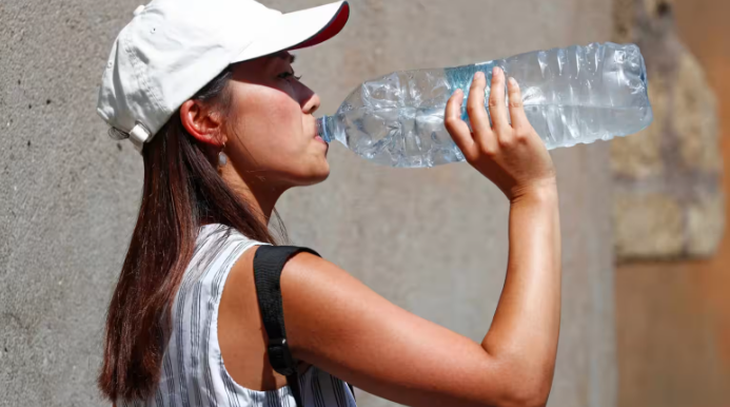
Drinking enough water is a key to overall health, including for those who want to lose weight - Photo: REUTERS
If your weight loss method leaves you feeling hungry, irritable, tired, or socially isolated, it may not be healthy or sustainable.
Weight loss should improve your health, not come at the expense of it. If your weight loss method doesn't become a lifestyle, you may revert to old habits. Any weight lost can easily be regained.
An article in Health magazine suggests the following tips to make weight loss comfortable, safe, and sustainable:
Choose foods that will keep you feeling full for longer.
It's not the number of calories, but the amount of food you eat that determines how full you feel. Foods rich in water and fiber are excellent choices to help you feel full for longer. These include whole foods such as vegetables, fruits, and whole grains.
In addition to their nutritional value, whole foods help you feel fuller for longer and keep you energized. Whole foods can have a positive impact on insulin, the digestive system, and metabolism.
Therefore, improving the quality of the food you eat and making that the foundation of your weight loss and weight maintenance plan is always a great idea.
Eat more vegetables.
Many people don't eat the minimum recommended daily amount of vegetables. For weight loss and optimal health, regularly eating plenty of vegetables is one of the most important habits you should develop.
Vegetables are very good for your health. However, non-starchy vegetables offer even more benefits. Some examples of non-starchy vegetables include leafy greens, broccoli, cauliflower, zucchini, and tomatoes.
Drink enough water.
Your body needs water for many different processes, such as regulating temperature and eliminating waste. Drinking enough water is crucial for your health.
The amount of water a person needs each day depends on factors such as age or gender. Additionally, different foods and drinks can help meet a person's water requirements.
Eat meals on time.
Since everyone's meal schedules can vary, finding a mealtime that works for you is very important.
Establishing regular eating habits allows your body to respond with hunger signals at the right times for planned meals or snacks and maintain balance. In other words, your body will remind you to stop eating when you are full.
When it comes to your wake and sleep times, meal times are especially important. Eating out of a person's circadian rhythm can reduce feelings of fullness, as light and darkness signals control hunger hormones like ghrelin and leptin.
In addition to aiding weight loss, a regular eating habit can also benefit your overall health. Specifically, regular eating can offer health benefits such as reduced inflammation, improved circadian rhythms, and decreased stress.
Eat a balanced diet.
An important part of achieving a healthy weight is a healthy and balanced diet. Similarly, the three core components that form the foundation of a healthy meal include: non-starchy vegetables, lean protein, and healthy fats.
These basic foods offer several important benefits to your body. For example, protein helps maintain the function of cells throughout the body, from immune cells to hormones and red blood cells.
Besides the three main food groups, you can add healthy carbohydrates. Healthy carbohydrates are a great addition to your meals.
Healthy carbohydrates provide energy to fuel cell activity and help them perform their functions. These carbohydrates include:
- Whole grains
- Starchy vegetables
- Legumes, such as mung beans, lentils, and peas.
- Fruit
To achieve the right balance, adjust your food intake to match your body's energy needs.
Fasting is not the safest or most sustainable way to lose weight. Diets that restrict calories or food only provide temporary weight loss. Furthermore, you may be deficient in essential nutrients needed to maintain good health.