


After age 40, muscle mass tends to gradually decrease, especially during perimenopause and menopause when hormonal changes can accompany changes in body composition. Therefore, protein becomes one of the nutrients that needs attention if women want to maintain strength, physique, and mobility as they age.
Many people think increasing protein intake means eating more meat, but in reality, protein sources are very diverse. Current nutritional guidelines consider eggs, dairy, beans, lentils, nuts, and soy products as protein-rich food groups that can be incorporated into a diet.
Start your day with eggs.
An egg provides about 6g of protein and also contains many nutrients such as vitamin B12, choline, and selenium. For women aged 40-50, eggs can be a simple option to increase protein intake at breakfast without adding a lot of meat.
You can combine boiled eggs with whole-wheat bread and green vegetables; steam eggs with mushrooms and tomatoes; or eat them with a small portion of rice and vegetables. This also helps create a more balanced breakfast instead of just bread, porridge, or other starchy dishes.
It's important not to focus on a single source of protein. Research on nutrition and aging shows that the quality, source, and distribution of protein in meals are all important considerations in addition to the total daily protein intake.
Add Greek yogurt to your snack time.
Greek yogurt typically has a higher protein content than regular yogurt due to the concentration during production. It's a convenient option for women who don't want to eat extra meat but still need protein. A serving of plain Greek yogurt can be enjoyed with fresh fruit, oatmeal, or a few nuts as a snack.
If you're controlling your calorie intake to maintain your figure, prioritize sugar-free options and pay attention to portion sizes instead of adding lots of honey, granola, or high-calorie toppings. Milk and dairy products are also among the recommended protein-rich foods in healthy eating patterns.
Include tofu and soybeans in your main meals.
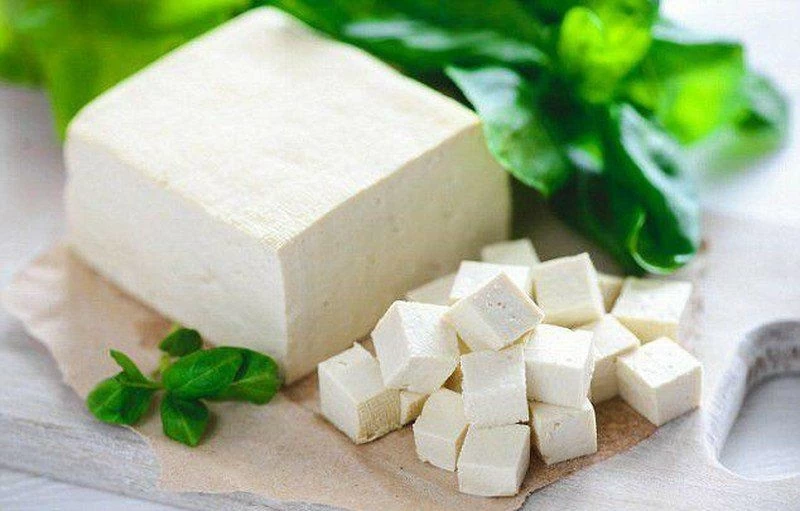
Tofu is one of the easiest ways to increase plant-based protein in Vietnamese meals. It can be steamed, served with tomato sauce, used in soups, or combined with vegetables and mushrooms to replace a portion of meat in a meal.
Soybeans and soy products provide plant-based protein, helping to reduce reliance on meat in the diet. Studies on protein and muscle health in older adults also note that soybeans are one of the most extensively studied sources of plant-based protein.
For women aged 40-50, a simple approach is not to eliminate meat completely, but to alternate different protein sources: one meal could include fish or lean meat, while another could consist of tofu, eggs, or legumes.
Increase protein intake from legumes.
Black beans, red beans, chickpeas, lentils, and soybeans can all provide protein in addition to fiber and many micronutrients. This food group is particularly suitable for people who want to eat less meat but still maintain a balanced diet.
You can add black beans or red beans to porridge or soup; use soybeans or tofu in your meals; or mix cooked beans into salads.
One easy way to incorporate this is to replace some of the meat in a dish with beans. For example, instead of a bowl of soup with only meat, you could make tofu soup with mushrooms and vegetables; or replace some of the minced meat in a stir-fry with tofu or other beans.
Nutrition guidelines classify beans, peas , and lentils as a source of protein, along with meat, eggs, seafood, and soy products.
Use seeds as a bonus for your meal.
Almonds, peanuts, pumpkin seeds, chia seeds, sunflower seeds, and other nuts can add protein to your diet, while also providing unsaturated fats, fiber, and some minerals.
Instead of eating large quantities of nuts alone, women in their 40s and 50s can sprinkle a small portion on yogurt, oatmeal, salads, or vegetables. This helps increase the nutritional value of the meal without adding extra meat.
However, nuts are also high in calories, so adding protein doesn't mean eating them without limits. A small serving is enough to supplement your nutrition without significantly increasing your total daily energy intake.
More important than the total amount is the distribution of protein.
Protein isn't just for athletes . As we age, our bodies may respond less effectively to smaller amounts of protein than in younger years, making muscle maintenance even more important. Some research reviews suggest that protein intakes higher than the minimum recommended 0.8g/kg/day may be more suitable for muscle maintenance needs in older adults, especially when combined with strength training.
Some studies suggest around 1.0-1.3g of protein/kg body weight/day for older adults, but actual needs depend on age, activity level, health status, and kidney function. Therefore, women aged 40-50 should not self-administer excessively high-protein diets solely for the goal of weight loss or muscle gain.
Instead of concentrating most of your protein intake at dinner, you can distribute your protein sources evenly throughout the day. A simple way to diversify your protein sources is to have eggs or yogurt for breakfast, fish, lean meat, or tofu for lunch, yogurt or nuts for a snack, and a dinner combining fish, eggs, tofu, or beans.
In particular, protein is more effective when combined with exercise, especially strength training. A 2026 review of women at various reproductive stages showed that evidence for increasing muscle mass from protein supplementation alone is inconsistent, while exercise continues to be a crucial factor for musculoskeletal health.
Therefore, for women aged 40-50, the goal isn't necessarily to eat a lot of protein or eliminate meat from their diet. A more appropriate approach is to diversify protein sources, distribute them across meals, and combine them with strength training to support long-term muscle maintenance, physique, and health.