


- 1. Common mistakes when preparing eggs at home
- 2. Tips for preparing eggs to meet quality standards.
Cooking eggs is a familiar task in the daily kitchen of every family. Although this dish is very versatile and nutritious, cooking eggs correctly requires meticulous attention to detail, from choosing the right pan and adjusting the temperature to the timing of seasoning.
By simply changing a few small habits, it's easy to cook fluffy, soft eggs that aren't dry or watery.
1. Common mistakes when preparing eggs at home
Crack the egg onto the edge of the bowl.
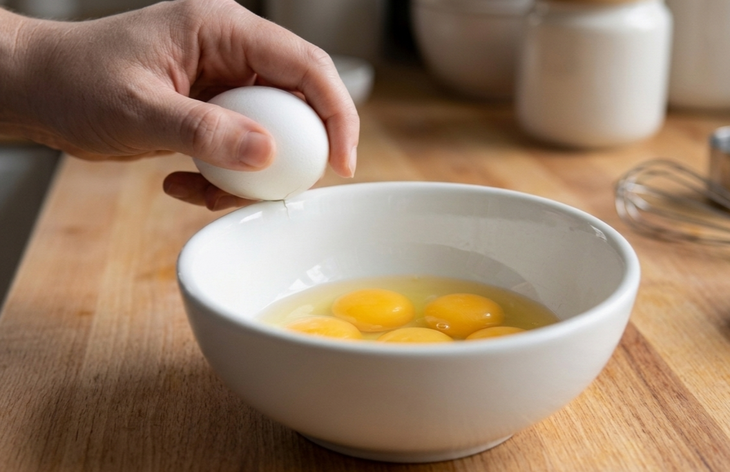
Cracking eggs against the edge of a bowl is a common mistake that causes eggshell fragments to fall into the bowl.
The habit of cracking eggs against the edge of a bowl easily causes sharp shell fragments to fall into the egg white. The correct way is to gently tap the egg on a flat surface such as a kitchen counter, then use your hand to separate the shell right over the bowl.
The eggs weren't beaten thoroughly enough when making scrambled eggs.
To achieve a smooth and creamy texture in scrambled eggs or omelets, the mixture should be evenly yellow and free of egg white streaks. Use a whisk or fork to quickly beat the mixture in a back-and-fork motion until it is completely combined.
Turn the eggs over high heat too quickly.
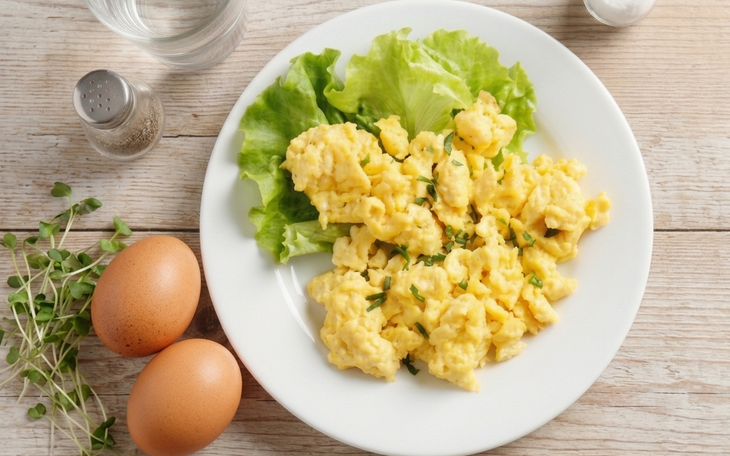
Cooking eggs over high heat in a hurry causes the protein bonds to break down quickly, resulting in a dry and burnt dish. Scrambled eggs should be cooked slowly over low heat so that the egg clumps naturally and retain their fluffy texture.
Not using enough fat when frying eggs.
Using only a non-stick pan isn't enough. A lack of fat like butter or cooking oil will cause eggs to stick, dry out, and be difficult to transfer to a plate. Coating the pan with just the right amount of fat helps the eggs cook evenly and taste better.
Boil the eggs in boiling water from the beginning.
Dropping cold eggs directly into boiling water can easily cause the shells to crack due to the sudden temperature difference, causing the egg whites to spill out. It's better to start boiling eggs in cool water so the temperature gradually increases, helping the eggs cook evenly from the inside out.
Using eggs that are too fresh for boiling.
Freshly harvested eggs are often difficult to peel after boiling due to the membrane clinging tightly to the egg white. For hard-boiled eggs, it's preferable to use eggs that have been stored for a few days.
Crack the eggs directly into the pot of water when making poached eggs.
Cracking eggs directly onto the surface of boiling water will cause the egg whites to spread and break all over the pot. The proper technique is to crack the egg into a small bowl, then gently float it down into the simmering water.
Choosing the wrong type of pot or pan when cooking eggs.
Each egg dish requires the right cooking utensils to achieve the perfect texture. Boiling eggs requires a pot large enough to completely submerge them in water, while scrambled eggs should be cooked in a small non-stick pan to prevent burning. In particular, poached eggs need ample space for the egg white to completely enclose the yolk and create an attractive shape.
Choosing the wrong pot—one that's too small, too shallow, or overloading the pot with too many eggs at once—will cause the eggs to stick together and cook unevenly. For poached eggs, the best option is a deep pan or a wide pot with a water level of about 7 to 8 cm.
Adding seasoning too late when cooking eggs
Adding salt after cooking causes the protein molecules to bind too tightly, resulting in the eggs becoming watery and hard. It's better to add a little salt to beaten eggs before cooking to retain their natural moisture.
2. Tips for preparing eggs to meet quality standards.
Besides controlling the cooking time, the temperature and how the food is handled after cooking also directly determine the quality of the dish.
When boiling eggs, bring to a boil, then reduce the heat and cook for 4 minutes for runny yolks and about 8 minutes for hard-boiled eggs. Immediately after turning off the heat, remove the eggs and place them in a bowl of ice water for a few minutes. This cold water immersion stops the cooking process due to heat buildup, prevents the yolks from turning gray or black, and makes peeling much easier.
For fried or scrambled dishes, always remove the pan from the heat a few seconds before the eggs are fully cooked, as the remaining heat will continue to cook the eggs to the perfect soft and creamy consistency.
Mastering these 9 tips will make it easier to prepare delicious eggs, providing appealing and nutritious meals for your family.