


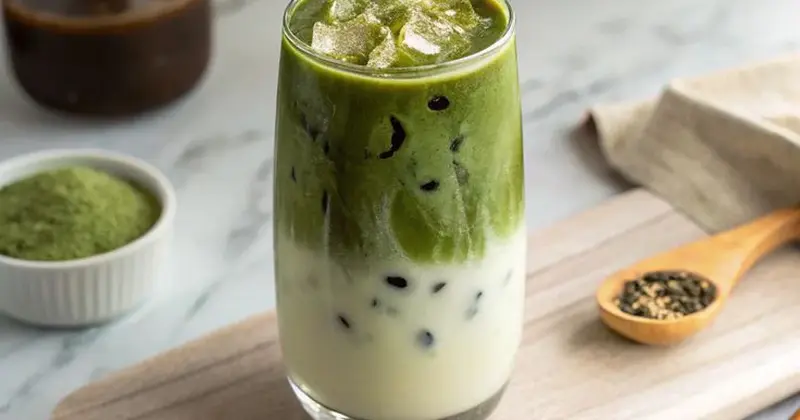
Matcha is a finely ground green tea powder containing many bioactive compounds such as polyphenols, catechins (especially EGCG), caffeine, and L-theanine. Among these, polyphenols and tannins are known to reduce the absorption of non-heme iron – the type of iron primarily found in plant-based foods such as green vegetables, legumes, and grains.
Speaking with a reporter, Dr. Le Thi Huong Giang, Head of the Nutrition and Dietetics Department at the 19-8 Hospital of the Ministry of Public Security , stated that when consuming tea or other polyphenol-rich beverages with meals, the absorption of non-heme iron may decrease, depending on the polyphenol content in the beverage.
However, experts emphasize that reduced iron absorption from a meal does not mean that drinking matcha will cause anemia.
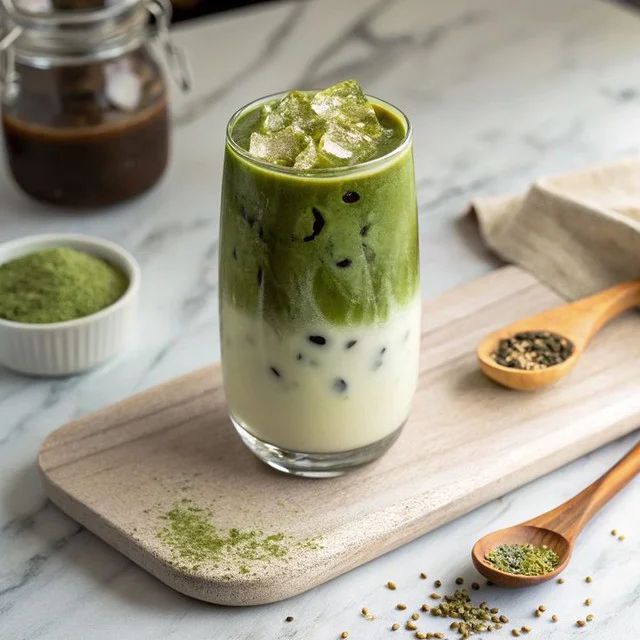
Matcha contains many polyphenols that can reduce the absorption of non-heme iron if consumed with meals, but it is not a direct cause of anemia in healthy individuals.
Healthy people are less likely to develop anemia from drinking matcha.
According to research reviews on tea and iron status, in individuals with normal iron reserves and a balanced diet, consuming green tea or matcha in reasonable amounts does not significantly affect iron deficiency.
The main risks are concentrated in those who already have low iron reserves or have a long-term iron-deficient diet. Groups that need to be more cautious when consuming matcha include:
- Women of reproductive age, especially those with heavy menstrual periods.
- Pregnant or postpartum women.
- A lifelong vegetarian.
- People who are suffering from iron-deficiency anemia or have low ferritin levels.
- People with gastrointestinal disorders that reduce absorption.
- Regular blood donors. People currently taking iron supplements or medication.
According to the World Health Organization (WHO), anemia remains one of the most common public health problems, especially among women and children. Iron deficiency is the most significant cause.
How can I drink matcha without affecting my iron absorption?
Experts advise that matcha lovers don't need to completely eliminate the drink from their diet. Instead, they should adjust the timing of consumption to minimize its impact on iron absorption.
Specifically, matcha should be consumed about 1–2 hours away from main meals, especially if the meal includes many sources of plant-based iron.
For those taking iron supplements, avoid taking them at the same time as matcha, tea, coffee, or milk, as these beverages can reduce absorption. The UK National Health Service (NHS) guidelines also recommend a two-hour gap between taking iron tablets and consuming tea or coffee. In addition, diet remains the most important factor in preventing iron deficiency.
Experts recommend combining heme iron sources from red meat, fish, poultry, and seafood with non-heme iron sources from green vegetables, beans, and grains. Additionally, incorporating foods rich in vitamin C, such as oranges, grapefruits, guavas, or other fresh fruits and vegetables, into meals can enhance iron absorption.
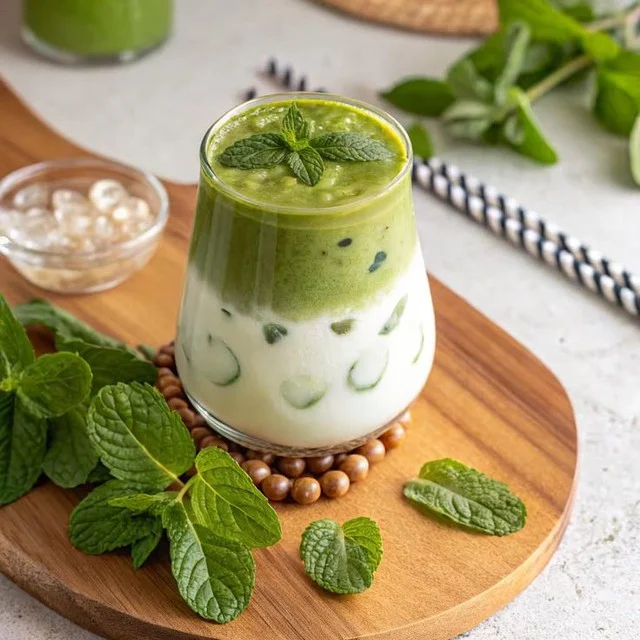
Experts recommend drinking matcha about 1–2 hours away from main meals to minimize its impact on iron absorption.
Does matcha cause hair loss?
Some social media posts even claim that drinking matcha causes excessive hair loss. According to Dr. Giang, this assertion lacks sufficient scientific basis.
Iron deficiency or low iron reserves may be associated with some cases of hair loss. However, hair loss is nonspecific and has many other causes such as prolonged stress, protein deficiency, zinc deficiency, thyroid disorders, hormonal changes after childbirth, scalp conditions, side effects of medications, or rapid weight loss.
Studies on the link between iron deficiency and hair loss are not yet entirely conclusive. Therefore, it cannot be concluded that drinking matcha is a direct cause of hair loss.
Do not take iron supplements without a doctor's prescription.
According to experts, what is more worrying than drinking matcha is the trend of people self-medicating with iron supplements after reading information circulating online.
Iron is an essential micronutrient, but it's not a case of "the more the merrier." Incorrect use can lead to many unwanted side effects and the potential risk of iron accumulation in the body.
Individuals experiencing symptoms such as persistent fatigue, dizziness, pale skin, excessive hair loss, or suspected anemia should visit a medical facility for examination and necessary tests such as complete blood count, ferritin, and other relevant indicators before deciding to supplement with iron.
Matcha is not the "culprit" in all cases of anemia.
Experts say that matcha is not the cause of anemia in everyone. The important thing is to use it at the right time, in the right amount, and maintain a balanced diet.
A cup of matcha a day can still be a good choice for a healthy lifestyle if used appropriately. Conversely, blindly following nutritional trends or believing incomplete information can easily lead to unnecessary misunderstandings.
Scientific nutrition is neither extreme nor does it "glorify" or "condemn" any particular food. The value of a food always depends on how it is consumed and the individual's nutritional context.