



Whole grains, rich in fiber and plant compounds, can help lower cholesterol, especially "bad" LDL. Proper supplementation can improve blood lipid levels and reduce cardiovascular risk safely and sustainably.
High blood lipid levels (dyslipidemia) are one of the leading risk factors for cardiovascular disease and stroke. Besides medication, dietary changes play a crucial role in controlling cholesterol. Whole grains, in particular, are highly regarded in many modern nutritional recommendations due to their high content of soluble fiber and beneficial bioactive compounds.
Unlike refined grains, whole grains retain the bran and germ, providing plenty of fiber, vitamins, minerals, and antioxidants. These components can help lower total cholesterol and especially low-density lipoprotein (LDL – the "bad" kind), thereby supporting cardiovascular health.
1. Suggestions for some types of grains that help control cholesterol.
Here are six types of grains that should be included in your daily meals to help control blood lipid levels:
1.1. Oatmeal – a top choice for lowering cholesterol.
Oatmeal is one of the most studied foods for its benefits in blood lipid levels. Its key component is beta-glucan – a type of soluble fiber that can bind to cholesterol in the digestive tract and eliminate it from the body.
Several studies have shown that a diet rich in oats can significantly reduce LDL cholesterol in a short period of time. In addition, oats help stabilize blood sugar and increase feelings of fullness, supporting weight management – a factor closely related to dyslipidemia.
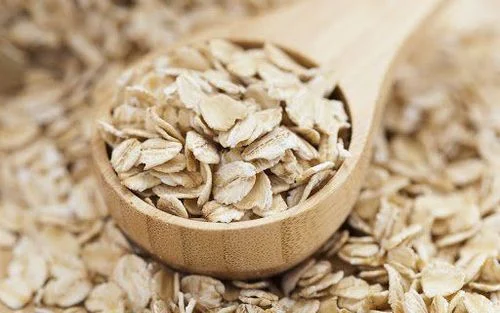
Oatmeal is one of the foods that helps control blood lipid levels.
1.2. Barley – rich in beta-glucan and good for the gut microbiome.
Barley is also a rich source of beta-glucan, similar to oats. This fiber not only helps lower cholesterol but also supports an improved gut microbiome – a factor increasingly shown to be linked to cardiovascular health.
Additionally, barley provides magnesium and antioxidants that help reduce oxidative stress, contributing to the protection of blood vessels. However, the effectiveness in lowering cholesterol may vary between studies, depending on processing methods and serving sizes.
1.3. Quinoa – Rich in nutrients, provides comprehensive support.
Quinoa is highly nutritious. This grain provides fiber, plant-based protein, and many antioxidant compounds. Observational studies show that regular quinoa consumption is associated with reduced total cholesterol and triglycerides. Additionally, quinoa supports blood sugar and weight management – factors that contribute to improved blood lipid levels.
1.4. Bulgur – minimally processed whole wheat
Bulgur is a wheat product that has undergone minimal processing, retaining its fiber-rich bran. As a result, this food can help reduce cholesterol absorption and improve blood lipid levels. Diets rich in whole grains like bulgur have been shown to be associated with lower LDL cholesterol and a reduced risk of cardiovascular disease. It's a suitable alternative to white rice or refined starches.
1.5. Buckwheat – gluten-free, rich in antioxidants
Buckwheat is gluten-free, making it suitable for people with gluten intolerance. In addition to fiber, buckwheat also contains rutin – an antioxidant compound beneficial for blood vessels. Clinical trials have shown that replacing regular grains with buckwheat can help lower total and LDL cholesterol, while also improving vascular function.
1.6. Millet – a rich source of fiber and micronutrients
Millet is gluten-free and rich in fiber, B vitamins, iron, and magnesium. These nutrients contribute to supporting lipid metabolism and protecting cardiovascular health. Several research reviews suggest that consuming millet for several weeks may help lower total cholesterol, reduce LDL, and slightly increase HDL ("good" cholesterol).
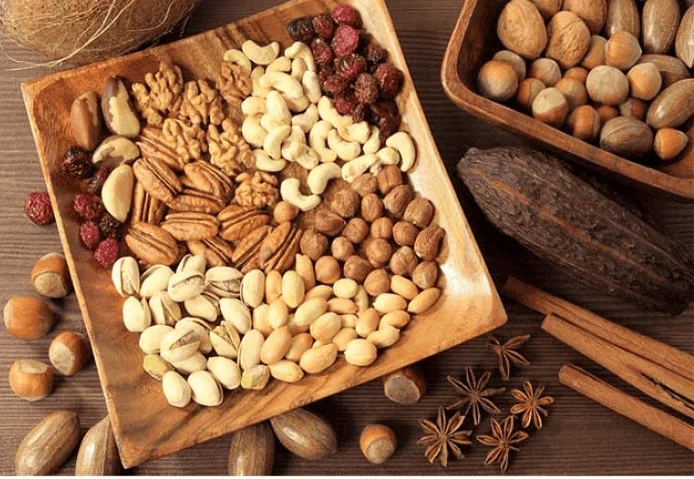
Whole grains help control blood lipid levels due to their fiber content and bioactive compounds.
2. How can I increase the amount of whole grains in my meals?
Incorporating whole grains isn't complicated; you can start with small changes to your daily meals:
- Start with breakfast: Choose oatmeal, quinoa porridge, or combine it with eggs and milk to increase nutritional value.
- Adding to salads: Mixing in cooked barley, farro, or quinoa increases fiber and promotes a feeling of fullness.
- Replace refined starches: Use bulgur, millet, or other whole grains instead of white rice and refined noodles.
3. Notes on using cereals to control blood lipids
Although whole grains are beneficial, their effectiveness in controlling cholesterol depends on the overall diet and lifestyle:
- Avoid adding too much sugar, salt, or saturated fat during preparation.
- Combine this with a diet rich in green vegetables, fruits, fish, and healthy fats.
- Maintain physical activity and control your weight.
- People undergoing treatment for high cholesterol should strictly follow their doctor's instructions and not stop taking medication on their own.
Whole grains are a valuable food group in supporting blood lipid control due to their fiber content and bioactive compounds. Adding a variety of grains such as oats, barley, quinoa, millet, etc., can help improve cholesterol levels safely. However, this is only part of an overall strategy; a balanced diet and a healthy lifestyle are necessary for long-term effectiveness.