



Yellow teeth are a common condition, which can be caused by oral hygiene habits, diet, or certain health factors. Identifying the correct cause helps improve tooth color and prevent it effectively without medication.
Yellowing teeth is a common condition. Teeth aren't always perfectly white. In tooth structure, the outer enamel layer is translucent white, while the underlying dentin is a pale yellow. When the enamel thins or is stained by external factors, the yellow color of the dentin becomes more apparent.
In fact, tooth discoloration over time is quite common. Every day, teeth come into contact with many different foods and drinks, causing pigments to easily adhere to the enamel surface. If oral hygiene is not properly maintained or if this continues for many years, these stains can accumulate into plaque or tartar, making teeth appear yellower.
Besides aesthetic concerns, yellowed teeth can sometimes reflect poor oral hygiene habits or underlying health issues that need attention.
1. Common causes of yellowing teeth
1.1. Improper oral hygiene
Infrequent brushing or incorrect brushing technique is a common cause of yellowing or discoloration of teeth. When food particles are not cleaned away, bacteria in the mouth form plaque on the tooth surface. Over time, plaque can harden into tartar, causing teeth to turn yellow or dark brown.
In addition, brushing your teeth without flossing can easily trap food between your teeth, creating conditions for plaque buildup.
1.2. Foods and drinks with dark colors
Some foods contain high levels of pigments that can stick to tooth enamel and cause discoloration if consumed regularly. Foods that commonly cause yellowing of teeth include:
- Coffee
- Strong tea
- Red wine
- The soft drink is dark in color.
- Turmeric
- Soy sauce
- Some fruits have dark colors...
Highly acidic foods like citrus fruits can also erode tooth enamel. When enamel weakens, the yellow dentin underneath becomes more visible.
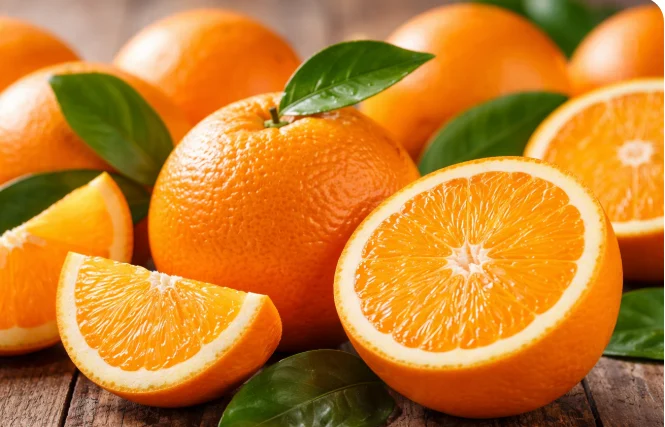
Citrus fruits are highly acidic, and this is one of the common causes of yellowing teeth.
1.3. Smoking
Smoking is one of the leading causes of yellow teeth. Cigarette smoke contains nicotine and tar. These two substances easily adhere to the tooth surface, creating yellowish-brown or dark brown stains. Over time, these stains can become firmly embedded in the enamel and difficult to remove with regular brushing.
In addition, smoking increases the risk of gingivitis, periodontal disease, and many other oral health problems.
1.4. Side effects of certain medications and medical treatments
Certain medications or treatments can cause tooth discoloration, such as:
- Some antibiotics.
- Iron supplements.
- Some medications are used to treat chronic diseases.
- Chemotherapy or radiation therapy...
In these cases, tooth discoloration may occur from within the tooth structure, so improvement usually requires consultation with a dentist.
1.5. Aging and enamel erosion
Over time, tooth enamel tends to thin due to chewing, the effects of acidic foods, and the natural aging process. As the enamel thins, more of the yellow dentin underneath becomes exposed, making the teeth appear darker.
2. Ways to improve yellow teeth without medication
In many cases, yellowing teeth can be improved by changing oral hygiene and daily lifestyle habits.
2.1. Brush your teeth correctly and regularly.
Dental experts recommend:
- Brush your teeth at least twice a day.
- Brush your teeth for about 2 minutes each time.
- Use a soft-bristled brush.
- Replace your toothbrush every 3–4 months...
When brushing your teeth, use gentle circular motions or brush from the gums down to the tooth surface to effectively remove plaque without damaging the enamel.
2.2. Use dental floss and mouthwash.
Dental floss helps clean between teeth – areas that are difficult for toothbrushes to reach. Using dental floss daily can reduce plaque buildup and help whiten teeth. Additionally, rinsing your mouth with clean water or diluted salt water after meals helps reduce the amount of food remaining in your mouth.
2.3. Limit foods that easily stain teeth.
People who regularly drink coffee, tea, or colored soft drinks should:
- Reduce the frequency of use.
- Drink plain water after consuming these types of beverages.
- Don't let the drink linger in your mouth for too long...
These simple measures can help reduce staining on teeth.
2.4. Quit smoking
Quitting smoking not only makes your teeth whiter but also significantly improves your oral and overall health. After quitting, new stains on your teeth will gradually decrease, and oral care will become more effective.
2.5. Regular dental cleanings (scaling).
Hard plaque (tartar) cannot be removed by regular brushing. Therefore, dental experts recommend:
- Regular dental check-ups.
- Get your teeth cleaned every 6 months...
Professional cleaning at a dental clinic helps remove tartar, brighten teeth, and reduce the risk of periodontal disease.
3. When should I see a dentist?
If teeth remain yellow despite proper oral hygiene, people should visit a dentist for a check-up. The dentist can assess the specific cause of the discoloration and advise on appropriate measures such as deep cleaning or other teeth whitening methods if needed.
Yellow teeth are often related to lifestyle habits and oral hygiene. Maintaining proper oral care, eating a balanced diet, and having regular dental checkups can help limit tooth discoloration. These measures not only improve the aesthetics of your smile but also contribute to long-term oral health.
Note: This information is for informational purposes only and should not be considered medical advice. Professional consultation is required for any specific illness or health condition.