



Erling Haaland celebrates after scoring the second goal in the match against Brazil in the Round of 16 of the 2026 World Cup at the New York New Jersey Stadium in East Rutherford, New Jersey (USA), on July 5th.
After the 2026 World Cup , striker Erling Haaland continued to attract attention not only for his performance on the field but also for his special diet.
According to the Korea Times , the 25-year-old striker consumes approximately 6,000 calories per day, divided into six meals. His diet is referred to by many as the "Viking diet," a variation of the Paleo diet, which prioritizes whole, minimally processed foods and eliminates processed foods.
Haaland starts his day with sourdough bread and eggs. He drinks coffee with milk and maple syrup. Lunch usually consists of fish, fried rice with eggs, and vegetables like asparagus. Organ meats, including beef liver and heart, are also a frequent feature of his menu. For dinner, the Norwegian striker eats over a kilogram of fatty red beef such as ribeye or tomahawk, served with potatoes, salad, and milk.
A highlight of Haaland's diet is his "nose-to-tail" philosophy, encouraging the maximum use of all edible parts of the animal, from meat, liver, and heart to bone marrow. According to sources, he particularly enjoys bone marrow, often buying beef liver and heart directly from farms.
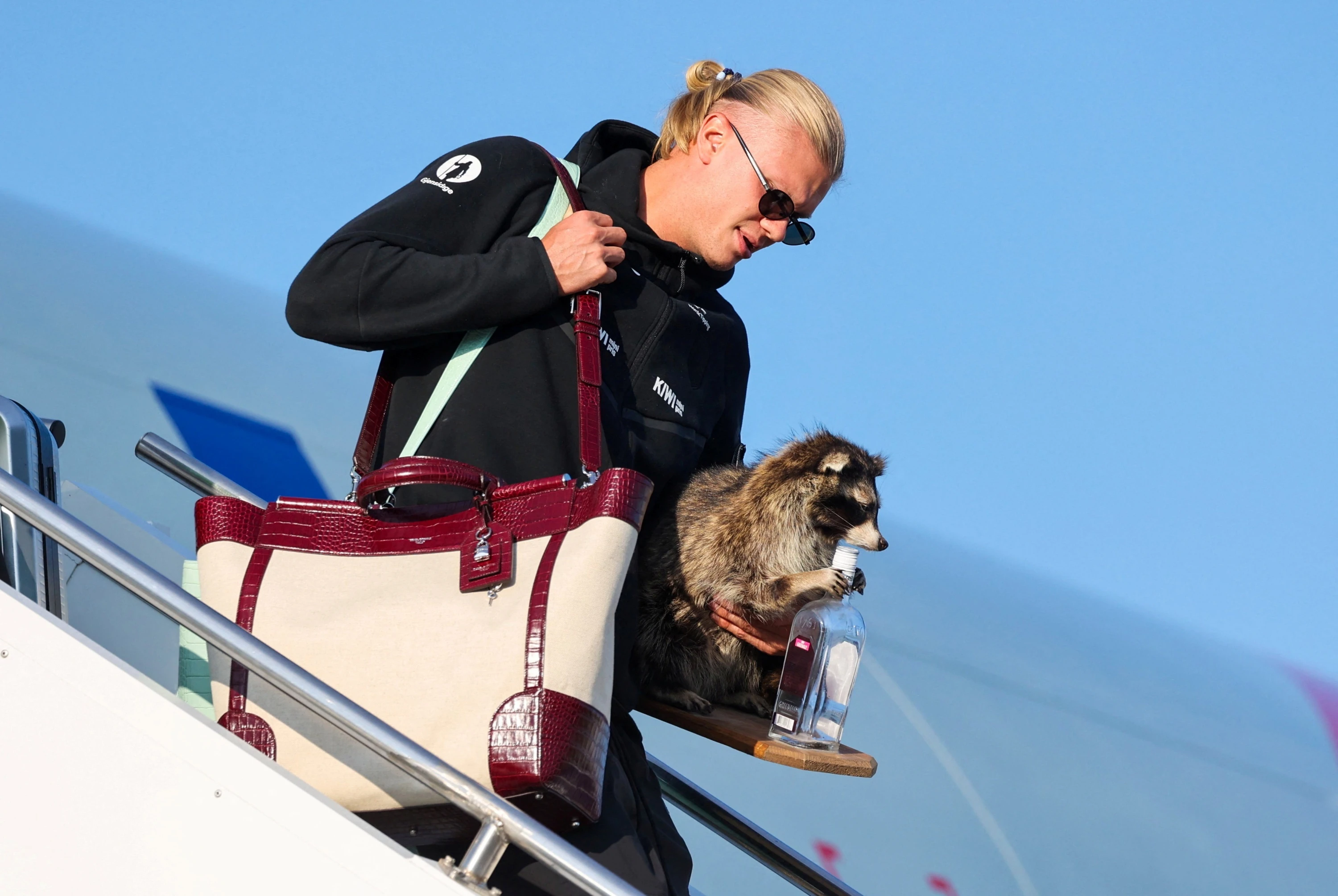
Erling Haaland, pictured hugging a "drunk" stuffed raccoon, disembarks from his private jet at Oslo Gardermoen Airport on July 13 (local time).
Nutritionists say this diet has many positive aspects, such as focusing on eggs, fish, meat, vegetables, potatoes, and natural sweeteners like honey, which helps reduce the amount of sugar, salt, and fat from processed foods.
The menu also provides a good source of protein from various sources, supporting muscle maintenance, post-workout recovery, and a feeling of fullness. Vegetables like asparagus, along with salad and potatoes, add vitamins, minerals, and fiber.
Although nutritious, experts warn against replicating Haaland's entire diet. Liver and other organ meats are rich in protein, iron, vitamin B12, folate, and zinc, but excessive consumption can increase cholesterol and purine levels. People with gout, high uric acid, or metabolic disorders should be especially cautious.
Experts also warn against eating raw beef liver – a dish still consumed in some parts of South Korea – due to the risk of parasitic infections, hepatitis E virus, and pathogenic bacteria.

Erling Haaland and his teammates celebrate their victory against Brazil at a stadium in New York, USA, in the early hours of July 6th.
The amount of red meat Haaland consumes reflects the nutritional needs of a professional athlete with a very high energy expenditure. For the average person, eating more than one kilogram of red meat per day can increase the risk of cardiovascular disease and colorectal cancer, while also consuming excessive amounts of saturated fat and calories.
Protein plays a crucial role in maintaining and repairing muscles, but eating more doesn't necessarily mean greater benefits. For most healthy adults, about 1 gram of protein per kilogram of body weight per day is usually sufficient.
Instead of simply copying Haaland's 6,000-calorie diet, what's worth learning is the footballer's nutritional philosophy, such as limiting processed foods, eating plenty of fruits and vegetables, and ensuring sufficient protein in a balanced diet.
Unless you have a very high energy expenditure like a professional athlete, consuming the same amount of calories as Haaland or eating excessive amounts of animal organs is unnecessary and not recommended.