New discoveries about the 'Black Beauty' who fell into the Sahara Desert.
Vietnam.vn EN
10/02/2026 12:54:00
According to new research, "Black Beauty"—a meteorite that fell from Mars to Earth—contains more hidden water than previously thought.
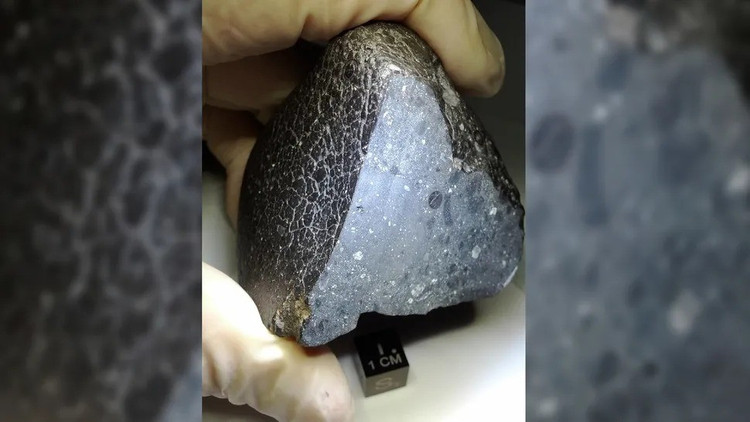
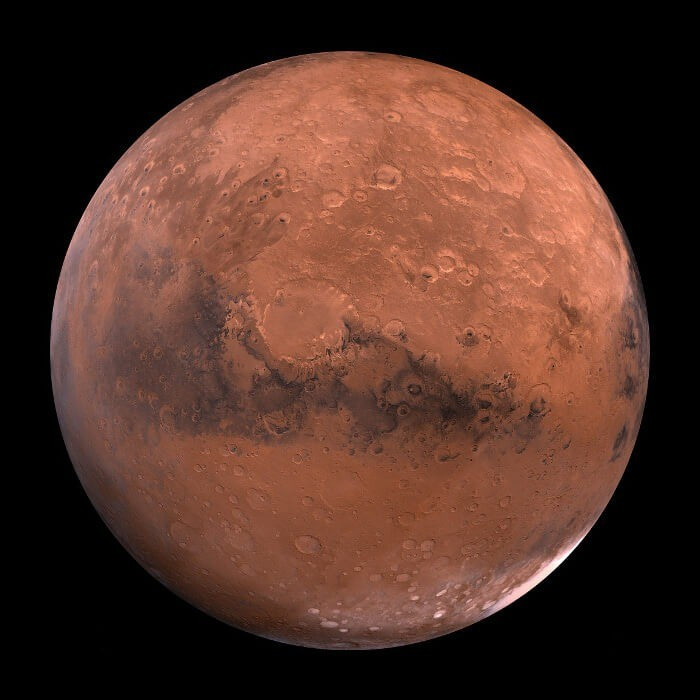
The asteroid NWA 7034, often called "Black Beauty," is the name given to an asteroid discovered in 2011 by nomads in the Sahara Desert, Morocco. Weighing approximately 320 grams, "Black Beauty" was ejected when another space rock collided with the Red Planet and then fell to Earth. Photo: NASA.
Experts are currently unsure exactly when the "Black Beauty" fell to Earth. However, this meteorite became famous for its dark color, further enhanced by the intense polishing on one of its surfaces. Photo: Curtin University.
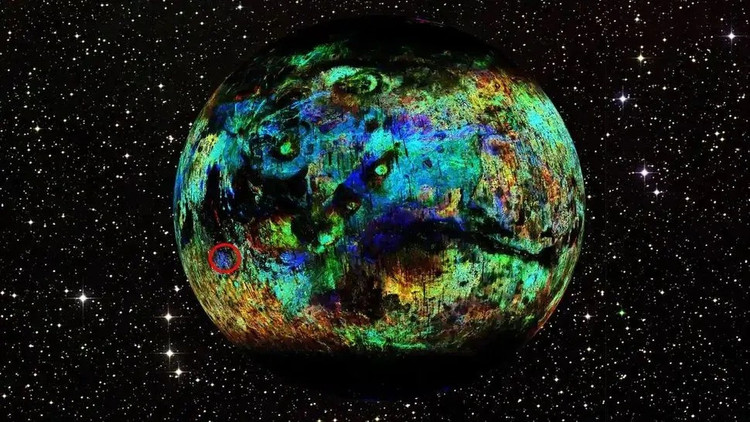
According to Space.com, the "Black Beauty" asteroid likely originated from the 10-kilometer-wide Karratha crater near the Martian equator and was ejected into space between 5 and 10 million years ago. However, it is much older than that, as
scientists have dated the asteroid to at least 4.44 billion years old. This makes the "Black Beauty" the oldest Martian asteroid found to date. Photo: Getty Images.
In a new study led by the Technical University of Denmark, a team of experts from Denmark, Switzerland, France, and Sweden used neutron scanning to further study "Black Beauty." Photo: Future/Tobias Roetsch.
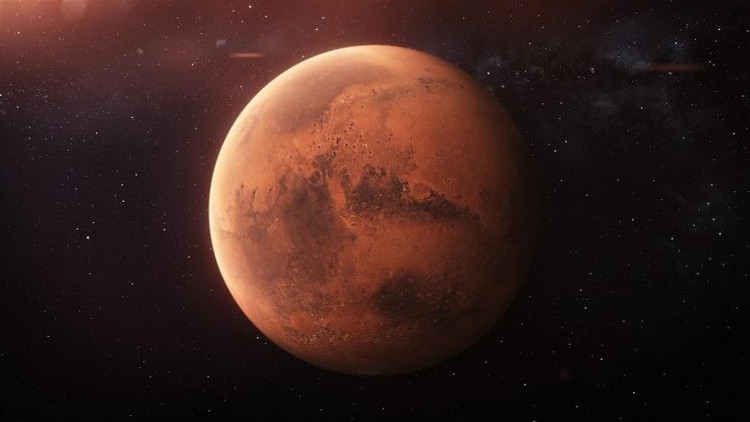
Since 2013, researchers have known that the "Black Beauty" contains traces of water. Recent tests and analyses provide evidence that this water may have been partially heated, raising hopes that microbial life may have once thrived in warm waters on Mars. Photo: space-facts.com.
Using neutron scanning, a team of scientists conducted the first in-depth analysis of the entire water content of the "Black Beauty" asteroid without having to break it into smaller pieces for study. Photo: Shutterstock.
Test results suggest that water may account for approximately 0.6% of the mass of "Black Beauty." This is a much higher percentage than previous estimates. Photo: NASA.
Much of this water is trapped within tiny fragments of hydrogen-rich iron hydroxide (FeHO2), similar to the main component of rust and formed when iron reacts with water under high pressure, such as in a meteorite impact. Photo: Earth.com.
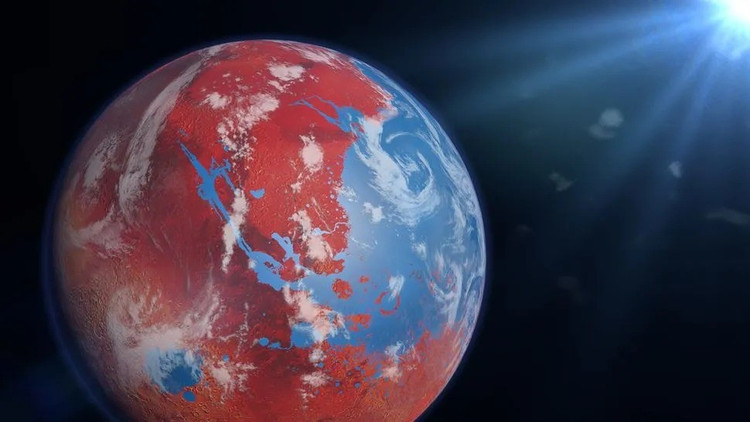
This suggests that Mars was once a "water
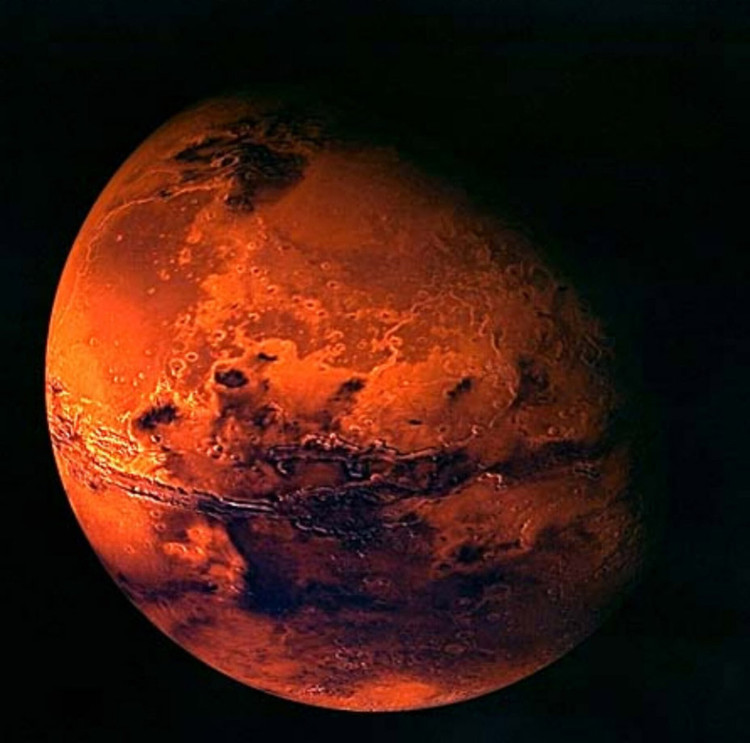
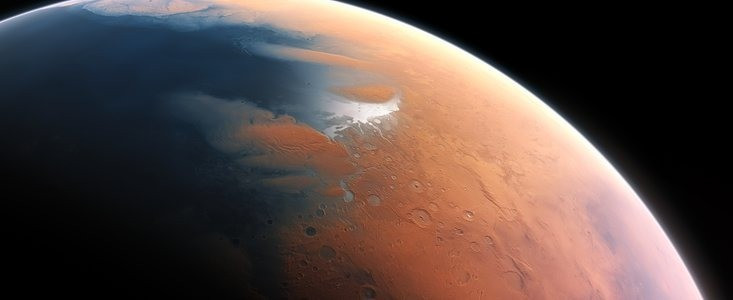
world " with a much richer geological history than we previously anticipated. Photo: ESA.
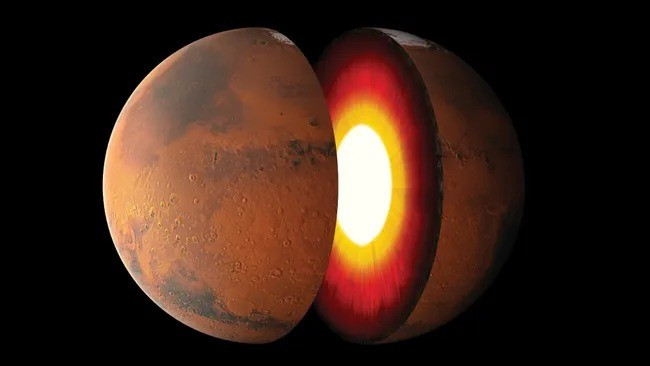
Researchers believe this new
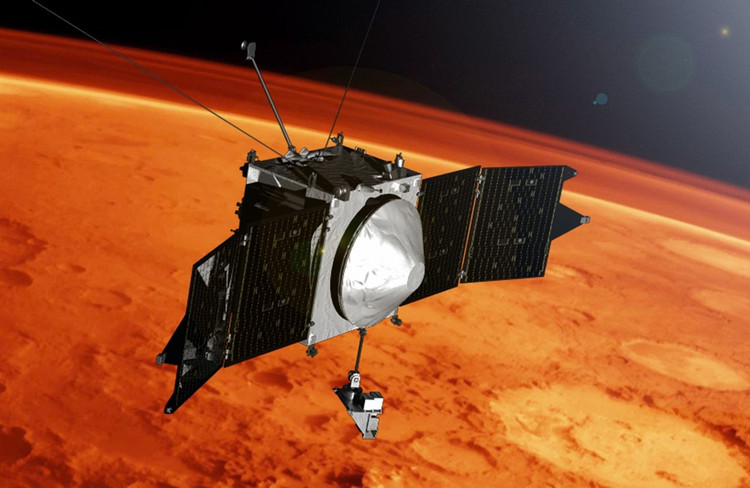
discovery will not only help decipher the evolution of Mars but may also increase the chances of finding direct evidence of extraterrestrial life on the red planet. Photo: ESO/M. Kornmesser.
The article continues below the video.
Recommended video
Readers are invited to watch the video: A map of the universe with over 900,000 stars, galaxies, and black holes. Source: THĐT1.
This article is provided by Vietnam.vn EN, authorized for use, and represents solely the author’s personal opinions. Please contact us in the event of any potential infringement.