



Besides medication and lifestyle changes, drinking enough water can also help control blood pressure.
In some cases, drinking water can help lower blood pressure, especially when the body is dehydrated. A 2022 study found that people with high blood pressure tend to be more dehydrated, according to Health (USA).
How does drinking enough water help with blood pressure?
When the body is dehydrated, the volume of blood—which is largely composed of water—decreases. This can easily lead to electrolyte imbalance, causing the concentration of sodium (salt) and some minerals in the blood to increase.
When sodium levels rise, the body releases the hormone vasopressin, which plays a role in retaining water and constricting blood vessels. This vasoconstriction increases the pressure of blood flow against the vessel walls, thereby raising blood pressure. Therefore, drinking enough water can help limit the adverse effects of dehydration on blood pressure.
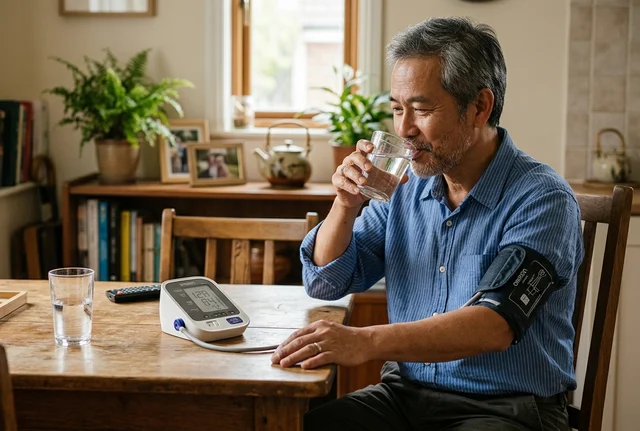
Drinking enough water can help limit the adverse effects of dehydration on blood pressure. ILLUSTRATIVE PHOTO: AI
Drinking lots of water isn't always good!
A common recommendation is to drink about 6-8 glasses of water a day, which is equivalent to about 1.9 liters. Many studies show that this amount of water is suitable for most people.
However, each person's water needs can vary, depending on many factors such as age, gender, weight, climate, level of physical activity, pregnancy or breastfeeding status. For example, you may need to drink more water in hot weather or when exercising and sweating a lot.
To effectively control blood pressure, it's important to maintain balance: Drink enough water, but not too much, avoiding both dehydration and excess water, as excess water can lead to fluid overload in the body.
In some cases, high blood pressure is caused by the body retaining too much water. This condition, called hypervolemia, occurs when the body retains too much fluid but cannot eliminate enough. As the total blood volume increases, the pressure on the blood vessel walls also increases, leading to high blood pressure. Some medical conditions that commonly cause this include cirrhosis, kidney disease, or heart failure. Additionally, eating too much salt can also cause the body to retain water and increase the risk of high blood pressure.
How to control high blood pressure
Drinking enough water is only one part of a cardiovascular health strategy. To effectively control blood pressure, you can also adopt the following measures:
Dietary adjustments: Increase potassium-rich foods, reduce salt. The heart-healthy DASH diet encourages eating plenty of fruits, vegetables, whole grains, and lean protein.
Do not smoke: Smoking increases blood pressure and the risk of cardiovascular disease.
Regular exercise: Aim for at least 150 minutes of moderate-intensity exercise or 75 minutes of vigorous-intensity exercise per week.
Get enough sleep: Aim for 7-9 hours of sleep each night and maintain a regular sleep schedule.
Limit alcohol consumption: Drinking too much alcohol can increase blood pressure.
Weight management: Maintain a healthy weight through diet and exercise.
Stress management: Meditation, mindfulness exercises, physical activity, or listening to relaxing music can help reduce stress, which in turn benefits heart health.