



According to the March Henley Passport Index, Vietnam rose two places compared to the beginning of the year, expanding its access to 48 visa-free or visa-on-arrival destinations.
The Vietnamese passport has just recorded a significant rise on the global travel map, climbing to 84th place in the March ranking of the Henley Passport Index. Compared to the January figures, this is a two-place increase (from 86th position), marking the highest ranking the Vietnamese passport has achieved in the last five years.
Improving global mobility for Vietnamese citizens.
Ranked 84th, the Vietnamese passport is currently tied with Angola, Burundi, and the Central African Republic. Under current regulations, Vietnamese passport holders can enter 48 destinations worldwide without needing a visa in advance, or benefit from favorable policies such as e-visas, visa-on-arrival, and electronic travel authorizations (ETAs).
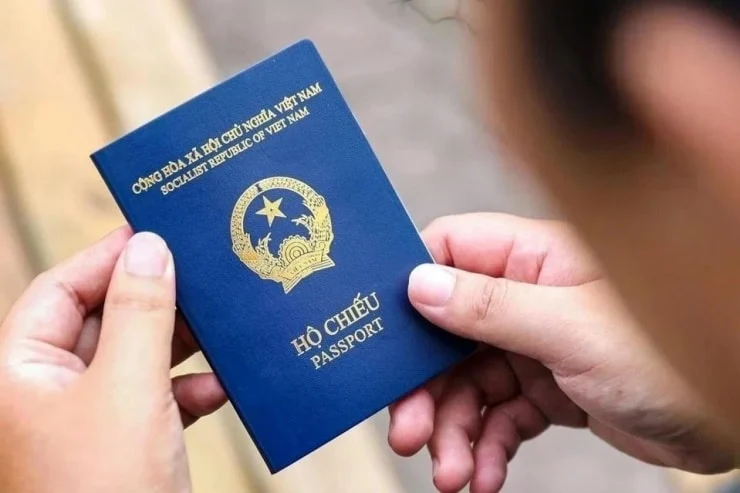
The majority of visa-free destinations for Vietnam are located within the ASEAN region, including countries such as Thailand, Singapore, and Malaysia. This improvement reflects diplomatic efforts and bilateral agreements that have made travel easier for citizens. Historically, Vietnam's highest ranking was 78th in 2006-2007.
The global picture and the most powerful passports.
On the international stage, Singapore continues to hold the top position as the world's most "powerful" passport. Citizens of the island nation are allowed to enter 192 countries and territories without needing a visa. Following closely behind in second place are Japan, South Korea, and the UAE, with visa-free access to 187 destinations.
Sweden ranks third with 186 visa-free points. The other countries in the top 10 strongest passports in the world are still mostly Western nations such as Belgium, Denmark, the Netherlands, Canada, and the United States.
The value of the Henley Passport Index ranking.
The Henley Passport Index is a global passport ranking system based on data from the International Air Transport Association (IATA), providing an accurate assessment of visa-free travel from 199 countries and territories to 227 destinations.
With a historical dataset spanning 20 years, this index is not only an important reference for global citizens but also a basis for countries to formulate foreign policy and develop tourism. Closely monitoring the index's fluctuations helps identify migration trends and the economic and diplomatic strength of each region around the world.