


Nutritional components in guava leaves
Polyphenol and Flavonoid compounds (Quercetin, Kaempferol): These are extremely powerful antioxidants that act as "scavengers" of free radicals, helping to prevent acute and chronic inflammation, and protecting cells from aging.
Vitamin C (Ascorbic Acid): Guava leaves are very high in Vitamin C, which helps activate the immune system, promotes collagen synthesis, and brightens the skin from within.
Tannins: These make up a large proportion of the chemical composition of guava leaves. Tannins have antibacterial properties, tighten the intestinal mucosa (helping to stop diarrhea), and promote faster healing of open wounds.
Soluble fiber: Supports the regulation of the gut microbiome, slows down the absorption of sugar into the bloodstream, thereby helping to effectively control post-meal blood sugar levels.
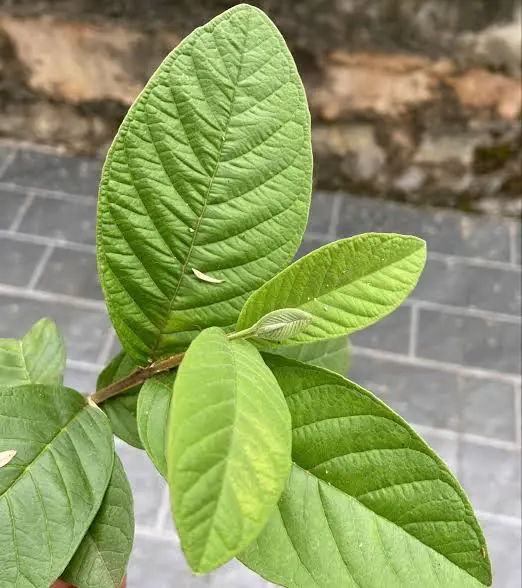
The polyphenols and flavonoids (quercetin, kaempferol) found in guava leaves are powerful antioxidants that "sweep away" free radicals, helping to prevent acute and chronic inflammation and protecting cells from aging.
Vitamin A (Beta-carotene): Supports vision protection, maintains moisture in the mucous membranes, and strengthens the skin's protective barrier.
Essential mineral group (Potassium, Magnesium, Zinc, Copper): Potassium: Supports blood pressure stabilization and electrolyte balance.
Magnesium and zinc: Promote metabolism, support nerve function, and strengthen bones and joints.
Natural essential oils: Contain active compounds such as eugenol and limonene , which provide a characteristic aroma and help kill certain types of fungi and bacteria that cause disease.
How to safely and effectively prepare guava leaf tea.
Ingredient: A handful of fresh guava leaves or young guava buds. Clean water. Honey (optional)
Instructions on how to do it: Wash a handful of guava leaves or young guava buds to remove any dirt from the surface. Boil the required amount of water in a pot. Once the water is boiling, add the washed guava leaves to the pot.
Simmer the guava leaves over low heat for about 15 minutes. Turn off the heat and use a strainer to extract the guava leaf juice. You can add 1-2 teaspoons of honey or sugar to make it easier to drink.
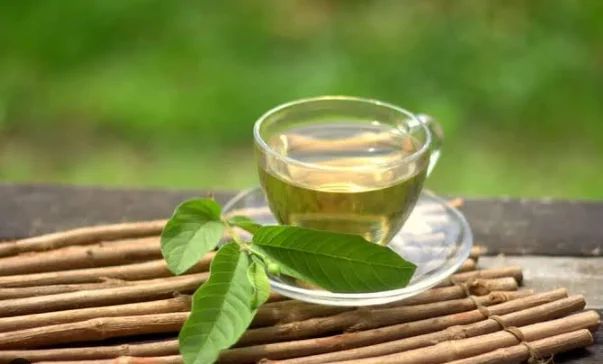
Drinking guava leaf tea daily may be beneficial if you are undergoing treatment for diarrhea, trying to lose weight, or need urgent blood sugar control.
Note: To preserve guava leaf water, pour it into a glass jar and then store it in the refrigerator.
Besides boiling fresh guava leaves to make tea, you can also dry guava leaves for long-term use. However, to avoid losing nutritional value, you should only dry guava leaves in the shade and avoid direct sunlight.
How to use guava leaf water safely and effectively.
To maximize the benefits of guava leaves without causing side effects, you need to pay attention to the dosage and method of use as follows:
The ideal time to drink warm guava leaf tea is about 30 minutes after a meal to aid digestion and control blood sugar. If drunk before a meal (especially on an empty stomach), the high tannin content may cause heartburn or nausea in people with sensitive stomachs.
Dosage: Only 1-2 glasses (approximately 200-400ml) should be consumed per day. It should not completely replace plain water for extended periods.
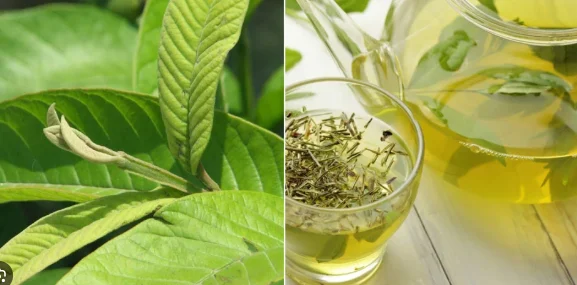
To maximize the benefits of guava leaves without causing side effects, you need to pay attention to the dosage and method of use.
You can add a little honey, ginger, or a few drops of lemon juice. Honey helps to soften the bitterness of the tannins, while ginger helps warm the stomach, which is good for digestion.
Is drinking guava leaf tea daily good for you?
Safe dosage: Approximately 1-2 small glasses (200-400ml) per day. You should drink it in cycles (about 1-2 weeks), then take a break to allow your body to adjust, avoiding the accumulation of tannins which can cause constipation or reduce the absorption of iron and calcium from food.
Guava leaf tea is only beneficial when consumed in moderation (about 1-2 times/week), helping to support weight loss, stabilize blood sugar, improve digestion and sleep. Drinking too much or replacing your daily water intake with guava leaf tea can lead to constipation, liver and kidney problems, and reduced nutrient absorption due to its high tannin content.