


Many people believe that eating raw vegetables is a symbol of a healthy diet. However, with certain vegetables, the health risks of eating them raw may outweigh the benefits, according to the Hindustan Times (India).
Dr. Shubham Vatsya, a gastroenterologist and hepatologist at ISIC General Hospital (India), has identified three types of vegetables that should not be eaten raw and explained the associated health risks.
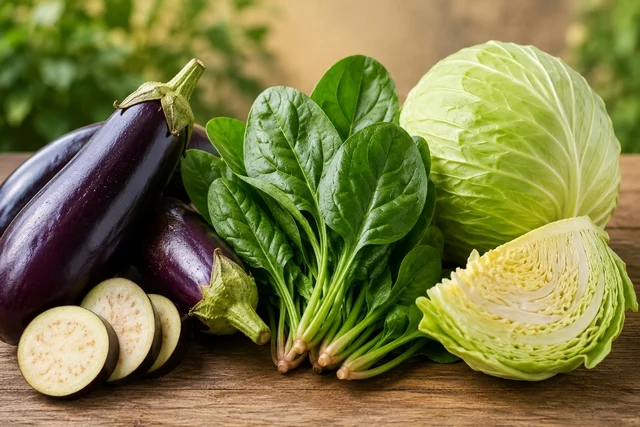
Doctors recommend that these three vegetables should be eaten cooked or steamed.
PHOTO: NQ CREATED BY AI
Spinach
Spinach is one of the most popular green vegetables and can be prepared in many different dishes, but according to Doctor Vatsya, spinach should not be eaten raw.
Besides the risk of bacterial infection, raw spinach also contains certain natural compounds that may be unsuitable for some people if consumed frequently or in excessive amounts.
“Raw spinach can contain bacteria such as E. coli and tapeworm eggs clinging to the leaves. These pathogens can remain even after washing, easily causing stomach pain, diarrhea, and serious gastrointestinal infections when consumed. In addition, raw spinach contains oxalates – a substance that increases the risk of kidney stone formation,” said Dr. Vatsya.
Cabbage
Raw cabbage is a common ingredient in many salads, but according to Doctor Vatsya, this vegetable also poses significant risks if eaten raw.
The surface of cabbage leaves can harbor contaminants or parasites if not properly cleaned and processed. In particular, cabbage leaves can carry tapeworm eggs.
The doctor explained: "Cabbage can contain tapeworm eggs. Once inside the body, the eggs can enter the bloodstream, hatch into larvae, and even travel to the brain. This can cause serious conditions such as neurocysticercosis."
Eggplant
Eggplants contain solanine, a naturally occurring toxic compound that the plant produces to protect itself from pests and diseases.
According to Doctor Vatsya, while solanine is beneficial for plants, it is not beneficial for human health when consumed in its raw form.
"Eggplant contains solanine, which can cause nausea and digestive problems when consumed. Cooking can reduce the effectiveness of this substance, so eggplant should not be eaten raw," said Dr. Vatsya.
It should be cooked thoroughly before eating.
Dr. Vatsya recommends that these three vegetables should be eaten cooked or steamed. Cooking helps kill bacteria and makes the food easier to digest.
Dr. Vatsya also emphasized that proper food preparation not only helps reduce the risk of bacterial and parasitic infections but also supports the body's efficient absorption and digestion of food.