


In December 2023, Southwest Airlines Flight 554 had just departed from New Orleans Airport when the pilot spotted a bird in front of him. The Boeing 737 MAX 8 was only about 300 meters in altitude at the time.
Immediately after the captain's warning, a loud noise erupted from the left side. The plane shook violently, and the left engine lost thrust. White smoke with a burning smell quickly filled the cockpit.
According to the U.S. National Transportation Safety Board (NTSB), the smoke was so thick that the co-pilot couldn't clearly see the captain sitting next to him. Both pilots had to put on oxygen masks, declare an emergency, and turn the plane around for New Orleans. All 139 people on board were safe.
This is one of the most obvious situations that would require an aircraft to return to the airport shortly after takeoff. However, a flight turning back doesn't always mean the aircraft is in a dangerous situation.
In aviation, an aircraft returning to its departure airport unexpectedly is often referred to as an air turnback . The cause can include problems with the engines, hydraulics, electrical system, pressurization, landing gear, bird strikes, smoke, or unusual odors. Sometimes, the reason isn't with the aircraft itself.
Turn back because of a passenger.
In September 2023, a Delta Air Lines Airbus A350 took off from Atlanta, USA, bound for Barcelona, Spain . After flying for about two hours, the plane unexpectedly diverted back to the US. However, no engines malfunctioned. One passenger suffered severe diarrhea, contaminating the cabin aisle.
According to The Guardian , in the later-released exchange with air traffic control, the pilot described the situation as a "biological hazard" and requested to return to Atlanta. The A350 landed safely.
The cleaning crew then spent about five hours cleaning the plane, during which part of the aisle carpet had to be replaced. About eight hours later, passengers boarded the same plane again to continue their journey to Barcelona .
Other situations could involve passengers needing emergency medical attention, security issues, or a cabin condition that makes continuing the flight unsuitable. Therefore, simply seeing a plane turn around on a flight tracking app is not enough to determine what is happening.
The captain must consider the aircraft's condition, the severity of the problem, weather conditions, a suitable landing airport, available technical and rescue services, and the risks of continuing the journey.
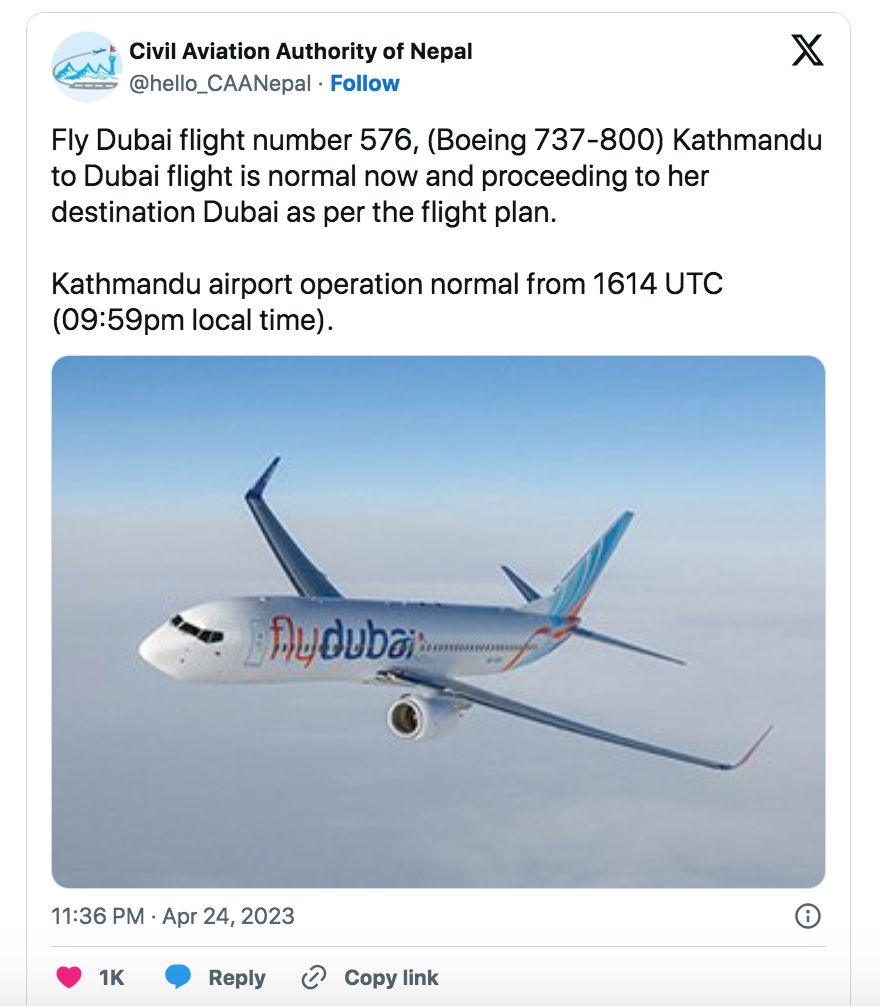
The case of flydubai's FZ576 flight in April 2023 illustrates a different decision.
|
|
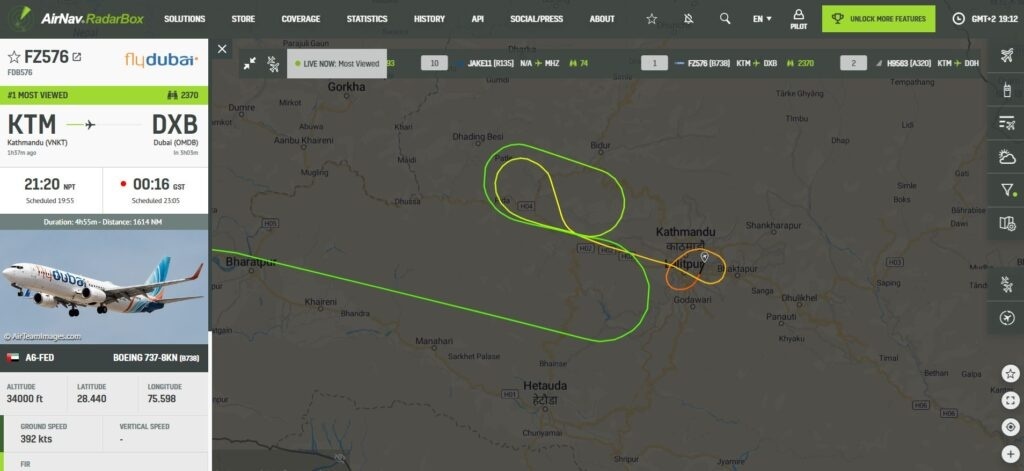
On April 24, 2023, flydubai flight FZ576 carrying 167 passengers collided with a bird shortly after takeoff from Kathmandu, Nepal, and circled around its point of origin. X/Airlive. |
A Boeing 737-800 carrying 167 passengers had just taken off from Kathmandu, Nepal, en route to Dubai when it was struck by a bird. Images from the ground showed flames in the engine area. Kathmandu airport prepared for the possibility of an emergency return landing.
However, after inspection, the flight crew determined that the engine parameters were still within normal operating limits. The Boeing did not return to Kathmandu but continued on to Dubai and landed safely. The aircraft was inspected upon arrival, Reuters reported.
Both aircraft encountered birds shortly after takeoff, leading to two different decisions. With the Southwest 554, the engine lost thrust and smoke filled the cockpit, so the crew turned back. With the Flydubai, after assessing the aircraft's condition, the pilot continued the flight.
Commercial aircraft have many backup systems, and the flight crew uses checklists for each type of warning. A malfunction in one component does not necessarily mean the aircraft is unable to continue its flight.
Incidents can also lead to changes in procedures following an investigation. With Southwest Flight 554, the NTSB found the smoky situation the two pilots had to handle was significantly more severe than a typical training environment.
In May 2026, the agency issued three safety recommendations, including suggesting the creation of more realistic simulation scenarios for pilots to practice handling cockpit smoke, encompassing psychological stress, increased workload, and limited instrument visibility.
Having turned around, why is the plane still circling?
Another unusual situation that puzzled passengers was when the plane turned around but didn't land immediately.
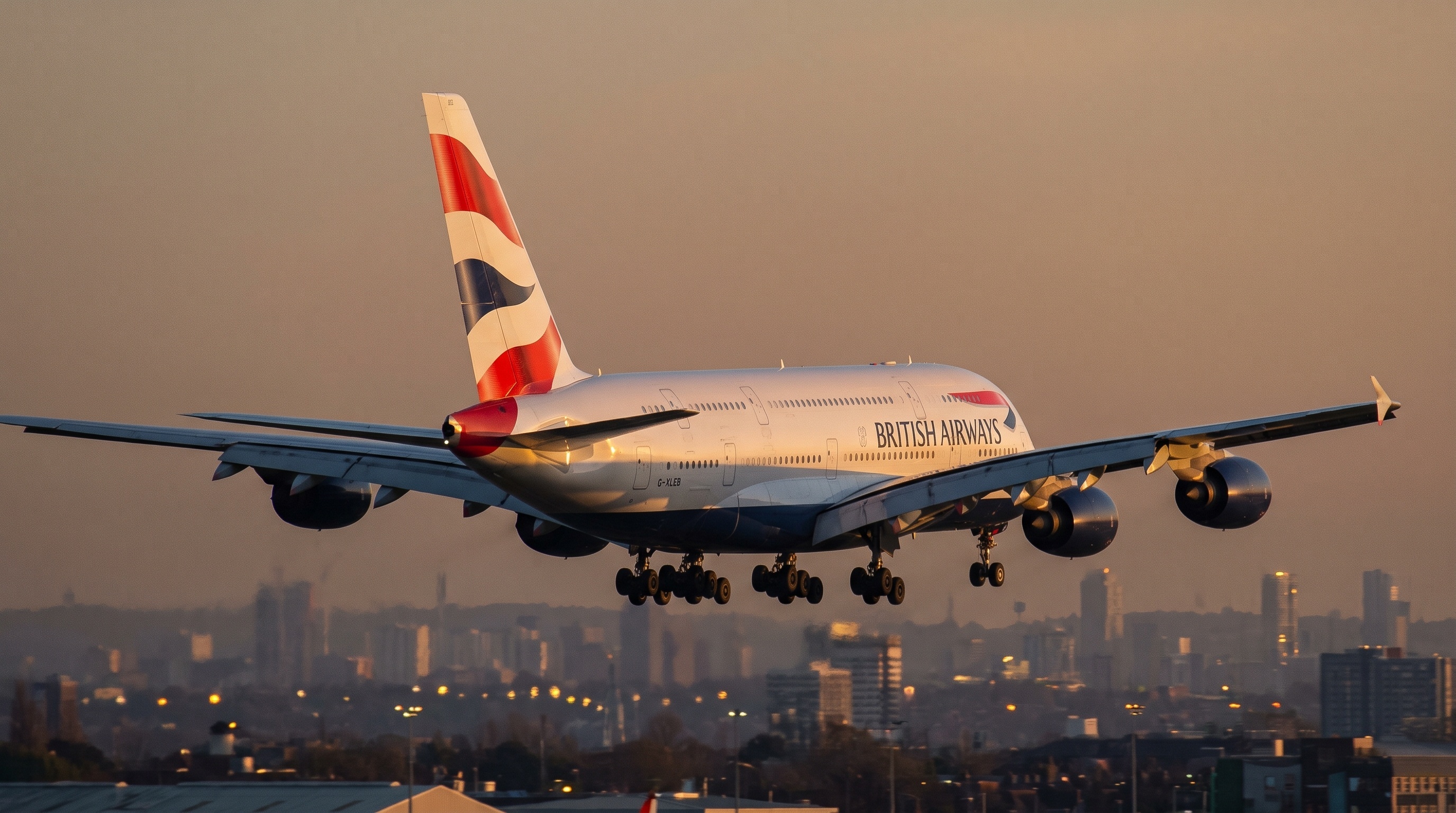
On August 8th, a British Airways Airbus A380 departed Johannesburg, South Africa, bound for London. Approximately two hours later, after flying over Central Africa, the double-decker aircraft turned back due to a technical problem with its weather radar, according to Business Insider.
But the A380 didn't land immediately after returning to Johannesburg. It continued to circle near the city for over two hours before finally landing at the airport. In total, passengers spent about seven hours in the air before finally returning to their point of origin.
British Airways confirmed the flight turned back due to a problem with the weather radar and landed safely.
|
|
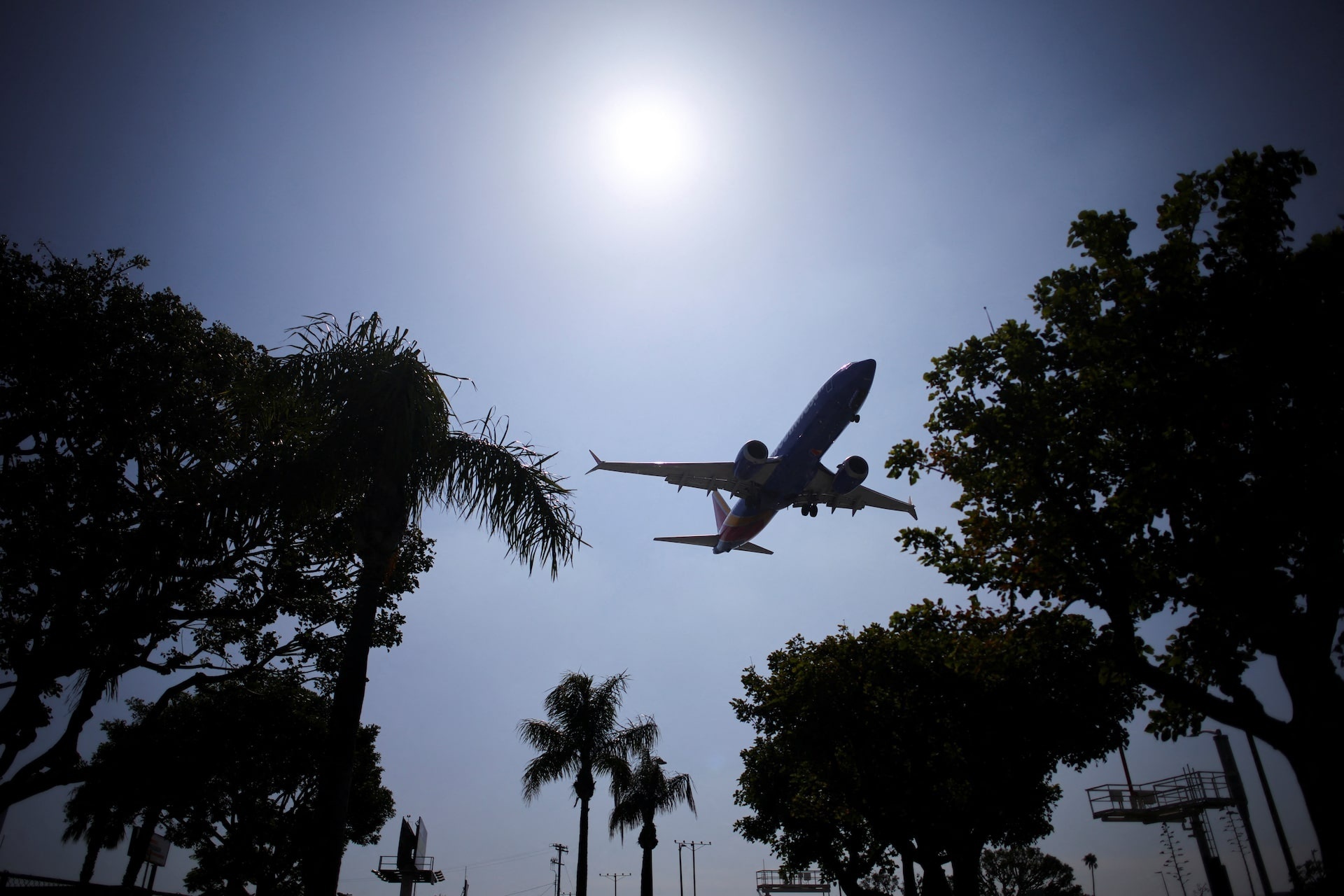
Simply seeing a plane turn around on a flight tracking app isn't enough to determine what's happening. (Illustrative image: Reuters) |
One of the reasons an aircraft might need to fly longer is due to fuel shortages.
Long-haul aircraft typically take off with a large amount of fuel, so their weight immediately after takeoff can be significantly higher than their intended landing weight. Aircraft have maximum takeoff and maximum landing weight limits.
If they have to return too early, the aircraft may still be heavier than it normally would be for a landing. In non-urgent situations, the crew may fly longer to burn off excess fuel before landing.
If an immediate landing is required, the pilot may choose to land with a weight exceeding the normal limit. The aircraft must then undergo the manufacturer's mandated technical checks before being put back into service.
Some long-haul aircraft also have the capability to dump fuel to reduce weight more quickly.
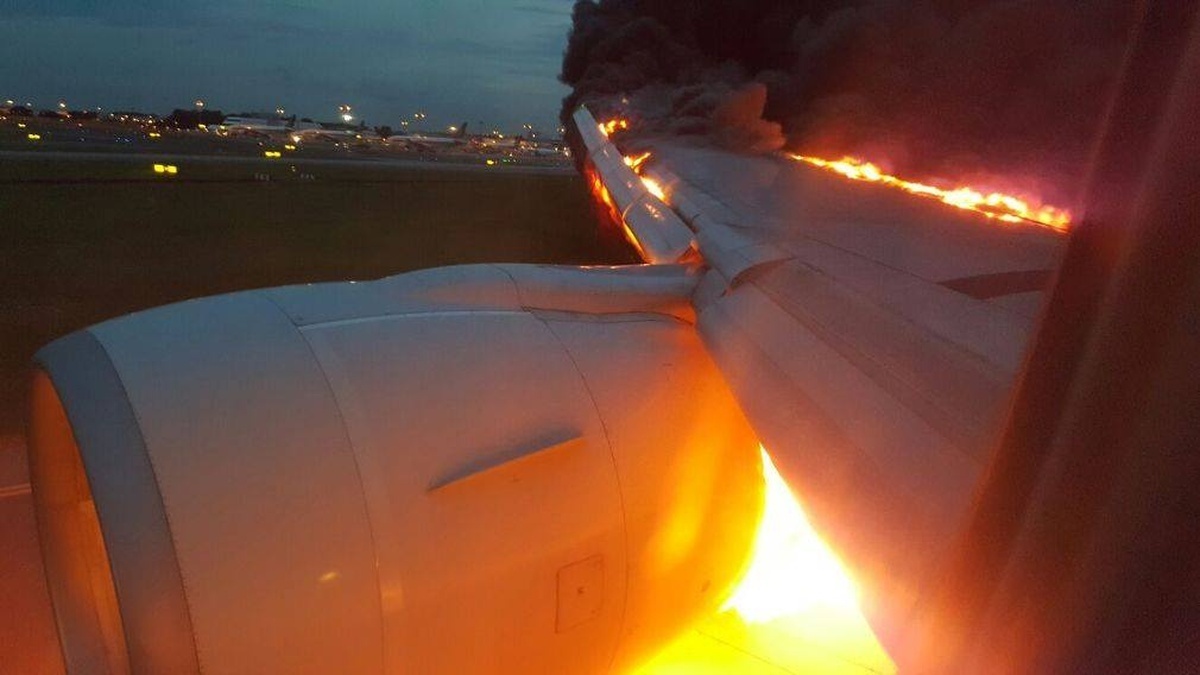
On June 27, 2016, a Singapore Airlines Boeing 777-300ER en route from Singapore to Milan, Italy, experienced a problem with its right engine. The pilot decided to return to Changi Airport in Singapore and dump some fuel before landing.
After the aircraft touched down on the runway, the right engine and the adjacent wing caught fire . The Civil Aviation Authority of Singapore (CAAS) confirmed that the right engine caught fire after landing; airport firefighters extinguished the blaze within 5 minutes, and all 241 people on board were safe.
|
|
Singapore Airlines flight SQ368 experienced a right engine malfunction and caught fire on June 27, 2016. Photo: Daily Mail |
Fuel dumping is not a default option, and not all commercial aircraft have this system. If it's not an emergency, the aircraft may fly longer to burn off fuel. If an early landing is necessary, safety priorities may lead the crew to choose to land immediately.
In 2019, a Norwegian Boeing 787, shortly after departing Rome, Italy, for Los Angeles, experienced a malfunction in its left engine at an altitude of approximately 300 meters. The engine was shut off, the crew issued a distress signal "MAYDAY," and then returned to Fiumicino Airport.
The 787 returned to Rome approximately 30 minutes after takeoff while overweight. The aircraft landed safely; subsequently, four tires on the left main landing gear deflated and a small fire broke out, which was quickly extinguished by firefighters. No one was injured.
These situations also explain why two flights might turn around at the same time, but one can return after a few dozen minutes, while the other continues flying for hours. The flight crew has to choose between the need to land the aircraft quickly and more favorable conditions for landing.
After landing, the aircraft may need to be inspected in relation to the problem that occurred. A technical alert may require inspection of the relevant systems; aircraft that landed overweight must also be assessed before being allowed to continue operations.
Therefore, a flight returning to its point of origin simply indicates a change in the original plan. This could be due to an engine malfunction, a passenger needing assistance, a problem with the weather radar, or a technical warning. In some cases, the pilot returns immediately; in others, they fly further to reduce weight; and in still others, after inspection, the aircraft continues to its destination.
Upon returning to the airport, the aircraft is typically inspected by the technical department to determine the cause of the problem and its ability to continue operating. Passengers may be arranged to fly again on the same aircraft, transferred to another aircraft, or continue their journey at a more convenient time.