


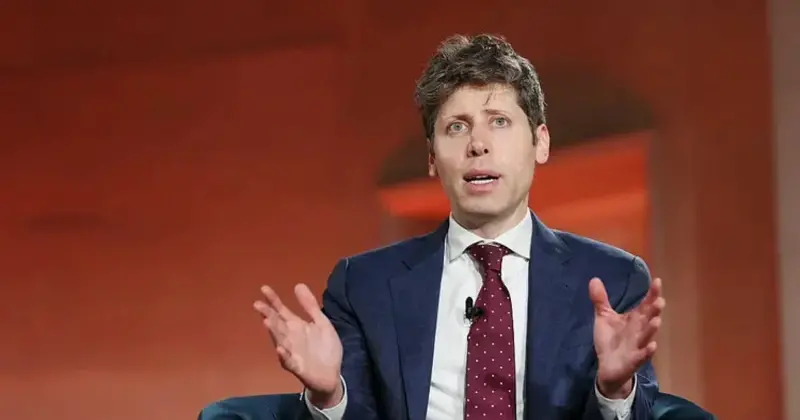
Sam Altman, CEO of OpenAI, has officially admitted that his previous predictions about artificial intelligence (AI) rapidly replacing humans in the workplace may have been inaccurate. At a conference in Sydney, the head of the company that developed ChatGPT said he felt relieved to see that the large-scale unemployment wave he had feared had not yet occurred.
The shift in mindset of the OpenAI CEO.
Sam Altman previously made rather pessimistic predictions that AI would "wipe out" most existing jobs, even causing many traditional professions to disappear completely. However, the actual implementation of this technology over the past period has provided a different perspective. "I'm glad I was wrong," Altman shared, observing that the impact of AI on the workforce is slower and more controlled.
According to Altman, AI has not yet created the dramatic disruption among lower-level personnel that was initially predicted. While the technology is advancing rapidly, the way businesses and markets are adopting AI is more evolutionary than a disruptive revolution.
A picture of the labor market through specific numbers.
Although the "job apocalypse" scenario hasn't materialized yet, real-world data shows the market is already quietly under pressure from automation. According to a report from Challenger, nearly 50,000 job cuts directly related to AI have been recorded in the US in 2026 alone. Even more notably, Goldman Sachs estimates that the presence of AI is causing a global hiring slump of approximately 16,000 new positions per month.
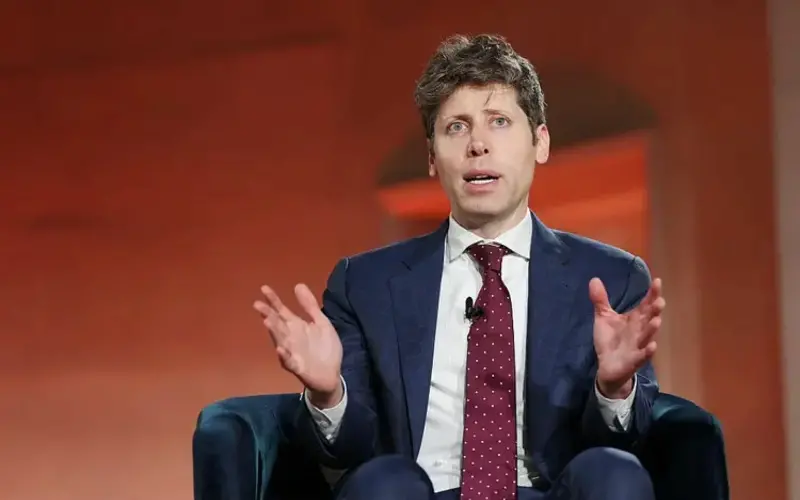
The quiet shift in the youth workforce segment.
A deeper analysis of the labor structure reveals that the impact of AI doesn't come from mass layoffs that shock the media. Instead, it occurs through companies tightening hiring, especially for junior or entry-level positions. Repetitive jobs or basic data processing tasks, previously reserved for recent graduates, are gradually being replaced by more efficient AI tools.
This creates a new challenge: how can the younger generation of workers gain experience when the entry-level opportunities are shrinking? This is precisely the point policymakers need to consider, rather than focusing solely on existing layoffs.
Adaptation strategy and commitment to responsibility
To address these inevitable changes, Sam Altman emphasizes the importance of new social security solutions. Among these, universal basic income (UBI) and large-scale retraining programs are considered key solutions. These tools will provide workers with the necessary buffer to transition to new roles that AI cannot yet fully replace.
OpenAI affirms its commitment to developing technology responsibly, aiming to maximize economic benefits while minimizing social risks. Close collaboration between technology corporations and governments will determine whether the AI era will be a step towards prosperity or a structural crisis in employment in the near future.