


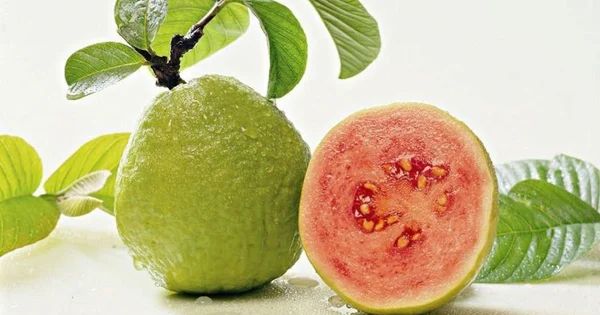
- 1. The role of vitamin C and lycopene in collagen synthesis
- 2. Red fruits are rich in lycopene and vitamin C, which help fight aging and boost collagen production.
1. The role of vitamin C and lycopene in collagen synthesis
Collagen is a vital structural protein that helps maintain the elasticity and firmness of skin, bones, joints, and other connective tissues. However, the body cannot produce collagen on its own without the right catalysts and protective mechanisms.
Vitamin C and lycopene are two powerful antioxidants that help regenerate cells and promote collagen synthesis. According to Dr. Tran Thi Bich Nga, former lecturer at Hanoi Medical University, one of the outstanding benefits of vitamin C is that it plays a crucial role in the production of collagen precursors and helps link amino acids in the collagen production process.
In addition, the powerful antioxidant properties of vitamin C help fight free radicals, supporting skin regeneration and repairing damaged cells.
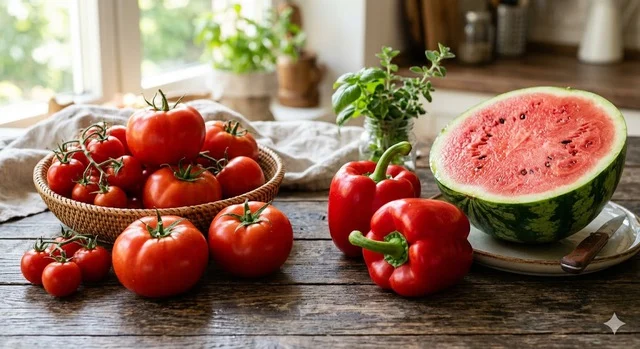
Red fruits are rich in lycopene and vitamin C, which help produce collagen and fight aging.
Lycopene is an antioxidant that protects cells from oxidative damage caused by free radicals. It acts as an optimal protective barrier for plants.
In fact, lycopene is the natural pigment that gives tomatoes their red color and the color of some other red fruits like gac fruit and watermelon.
Another important property of lycopene is that it reduces skin sensitivity to UVA and UVB radiation, decreasing the risk of redness and sunburn, while protecting the skin from sun-induced aging. Sunlight (UV rays) is the enemy that destroys collagen.

2. Red fruits are rich in lycopene and vitamin C, which help fight aging and boost collagen production.
Tomatoes (especially cooked tomatoes)
Tomatoes top the list of fruits rich in lycopene, especially cooked tomatoes. This is because heat helps break down the tough cell walls of tomatoes, releasing lycopene and converting it into a more easily absorbed form.
When tomatoes are cooked with a little healthy fat like olive oil, the body's ability to absorb lycopene increases. Although the heat process does deplete some of the vitamin C, properly cooked tomatoes still retain a significant amount of vitamin C to support the body's collagen production.
Watermelon
Watermelon provides a rich source of lycopene without the need for heat processing. This fruit also contains high amounts of vitamin C and amino acids such as L-citrulline, which helps improve blood circulation, supporting the transport of nutrients to nourish skin cells more effectively.
Red-fleshed guava
Red-fleshed guava boasts a high vitamin C content and is rich in natural lycopene and soluble fiber, which helps detoxify the body, optimize metabolism, and support anti-aging.
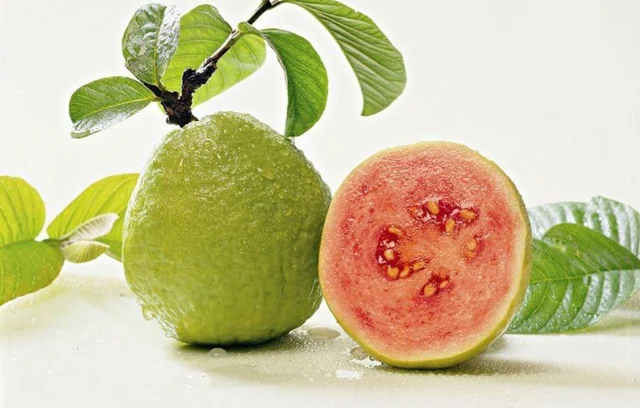
Red-fleshed guava is rich in lycopene and has a high content of vitamin C.
Pink pomelo
Unlike regular white grapefruit, the pink color of the grapefruit segments is due to the presence of the compound lycopene. In addition, as a typical citrus fruit, pink grapefruit is very rich in vitamin C.
Eating pink grapefruit not only provides the building blocks for collagen production but also boosts the body's immunity and slows down the natural aging process.
Red bell peppers
In fact, bell peppers contain more vitamin C than oranges, especially red bell peppers. Their deep red color also reflects a large amount of carotenoid antioxidants, including lycopene and beta-carotene.
Using red bell peppers in salads or stir-fries is a good way to retain the maximum amount of nutrients and vitamin C.