



The Japanese view mineral baths not merely as a superficial cleansing activity but as an essential preventative medical therapy in their daily lives.
Japan is not only famous for its scientific diet, but also known worldwide as a country holding the record for average life expectancy. According to data from the World Health Organization (WHO), the life expectancy of Japanese people is consistently among the highest, and one of the "golden keys" to maintaining their physical and mental health comes from their daily habit of soaking in hot water.
This country, nicknamed the "Land of the Rising Sun," is a leading "Onsen powerhouse" in the world . With over 27,000 hot springs and an eruption flow rate of approximately 2.6 million liters per minute, hot springs above 42 degrees Celsius account for 47% of the total.
This area boasts 3,085 onsen (hot spring) resorts with accommodation, mostly distributed along volcanic belts, ensuring a constant supply of heat. Furthermore, the rainy season, storms, and snowfall provide the archipelago with abundant water resources, creating an inexhaustible source of mineral springs.
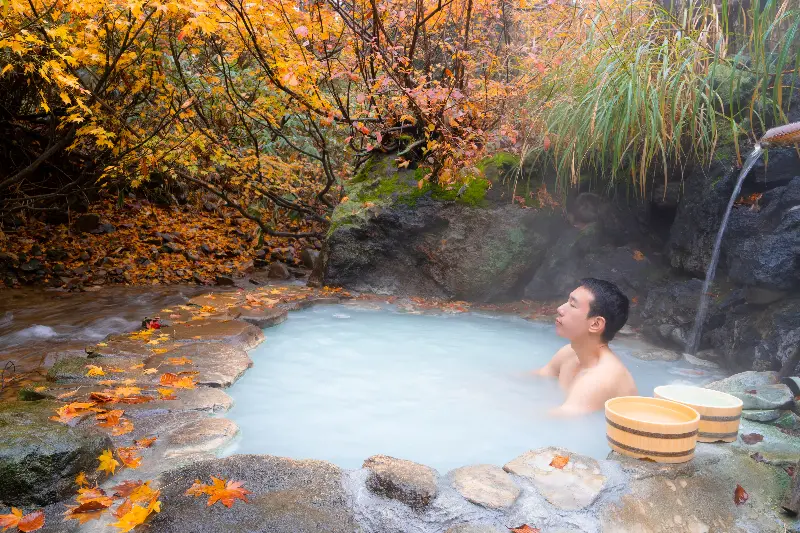
Tourists experience hot spring bathing in Japan.
Thanks to the abundant natural resources of Onsen (hot springs), the Japanese have, since ancient times, nurtured unique cultural practices such as Toji (therapeutic hot spring bathing), bath culture, and Onsen culture.
For the Japanese, mineral baths are not simply a superficial cleansing activity, but are actually an essential preventative medical therapy in their daily lives.
The benefits of hot spring bathing have been quantified by large-scale studies. Professor Shinya Hayasaka from Tokyo City University, a leading expert on hot spring therapy, conducted an analysis of medical data from over 70,000 people over several years.
Research published on the Toyo Keizai Online website indicates that people who maintain the habit of soaking in hot water daily have a 26% lower risk of stroke and a 35% lower risk of heart attack compared to those who rarely take baths.
From a preventive medicine perspective, modern studies indicate that the effectiveness of onsen bathing therapy primarily stems from the interaction between water temperature and mineral composition. According to medical analyses published on the Fujin Koron website, maintaining a proper bathing routine has a significant impact on disease prevention and promoting healthy longevity.
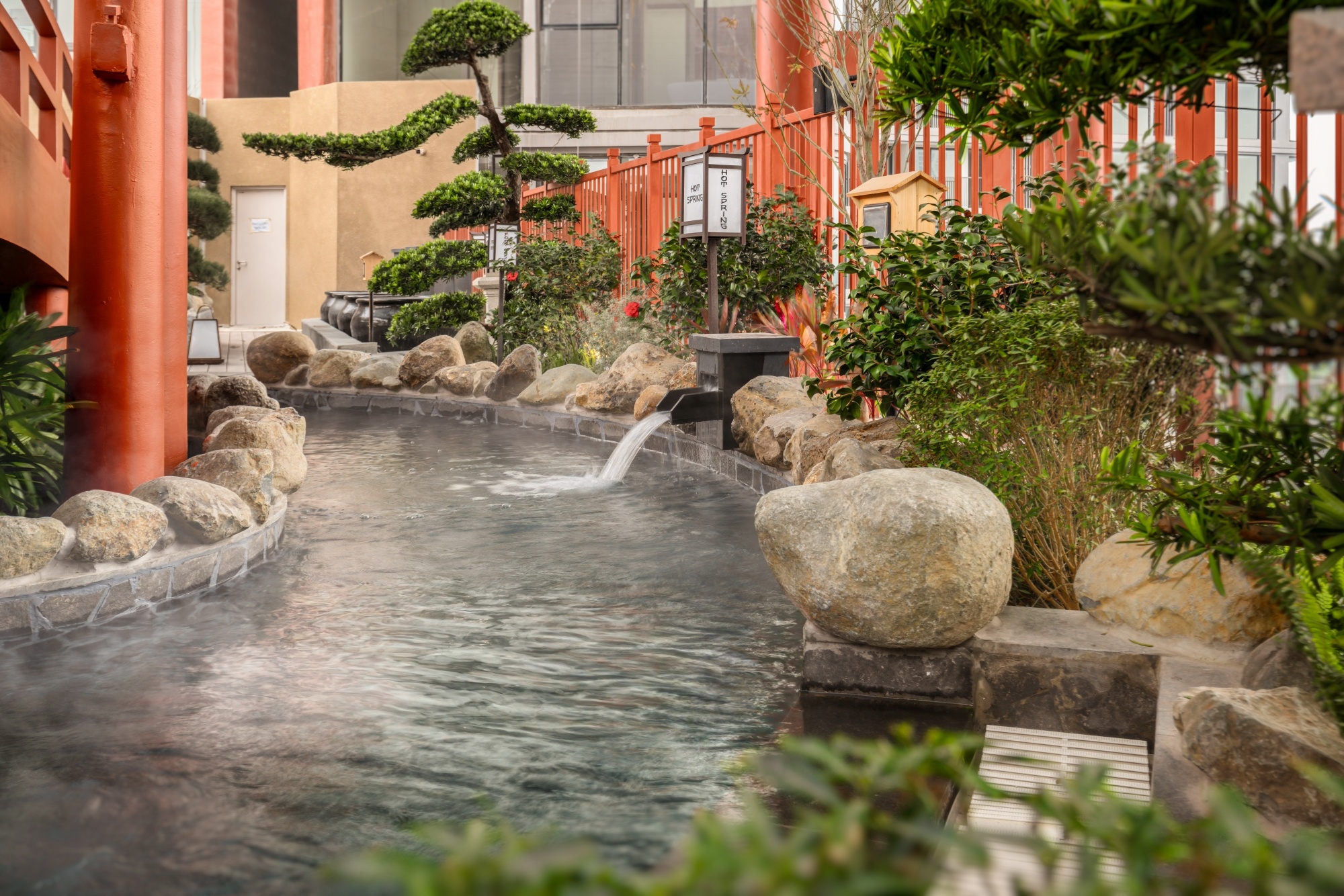
Modern hot spring bathing technology allows people to experience it at home.
Based on these scientific foundations, artificial mineralization technology is being recognized by experts as a highly practical solution to overcome the geographical limitations of natural mineral sources. Current mineralization systems can simulate and recreate the ionic structure of many mineral deposits. A notable feature of this technology is its ability to stabilize mineral content and personalize health care regimens according to individual health conditions.
Specifically, the system can be adjusted to produce a stream of water rich in carbonic ions – which are medically recognized for their ability to help dilate capillaries and promote blood circulation for people at risk of cardiovascular disease; or to fine-tune the alkalinity to a mild level to aid in cleansing and protecting those with sensitive skin.
Thanks to this, hot spring bathing can now be enjoyed in many different places, from natural springs to health resorts, and even at home thanks to home mineral generation technology.
Mineral powder extracted from natural mineral deposits is concentrated and transported to various locations. There, mineralization technology produces a mineral stream with stable temperature, controlled concentration, and no impurities. This creates a pleasant aroma and allows for adjustments to the composition to better suit the individual's needs.