


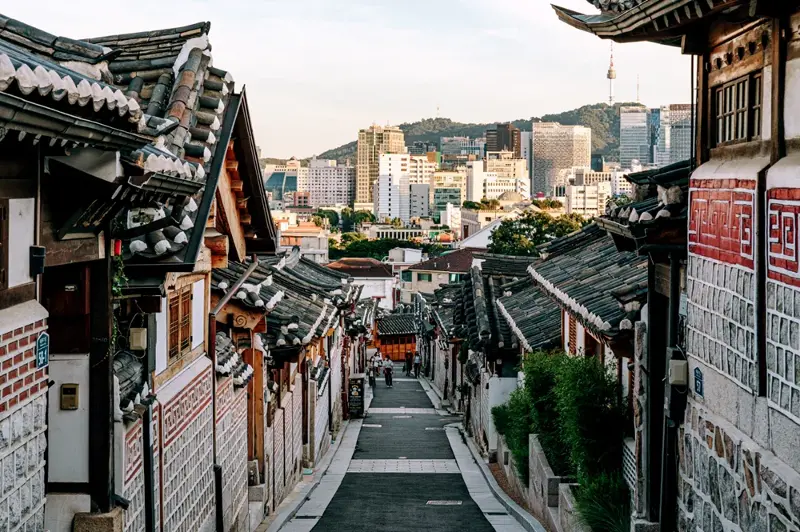
For decades, when discussing South Korea's economic miracle, the world often thought of giant ships, semiconductor chips, exported automobiles, or leading global technology corporations. Tourism, while contributing significantly to the economy, was never placed at the center of the nation's development thinking.
But that is changing.
The arrival of President Lee Jae Myung marked a significant turning point in how South Korea viewed the tourism industry.
For the first time in modern history, the President of South Korea has publicly identified tourism as a "core strategic industry," and is directly leading the industry's development policies with a long-term vision and national scope.
Behind that choice lies the impressive growth in international visitor numbers, and a new understanding of the driving forces behind South Korea's economic development in a changing global landscape.
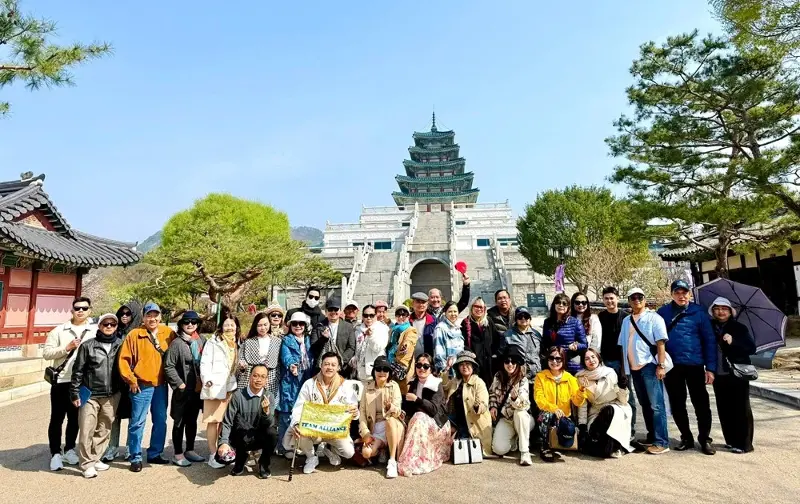
When soft power becomes an economic asset
If the 20th century was the period when South Korea built its power through manufacturing industries, the 21st century has witnessed the strong rise of "soft power."
The Korean Wave (Hallyu), with its films, music , fashion, cosmetics, and cuisine, has spread the image of Korea to every continent.
Millions of viewers of Korean dramas want to see firsthand the streets that have appeared on screen. K-pop fans hope to enjoy their idols' favorite foods or buy the beauty products used by their favorite stars.
In this context, tourism is no longer just an ordinary service activity. It becomes the final link in the value chain of the cultural industry, where the appeal of popular culture is transformed into visitor numbers, revenue, and jobs.
The administration of President Lee Jae Myung seems to have clearly seen this opportunity.
Instead of viewing Hallyu as a purely cultural phenomenon, the government is seeking to transform its global appeal into a sustainable economic growth engine through tourism. This is an approach many developed countries are pursuing, maximizing the economic value of intangible cultural assets.
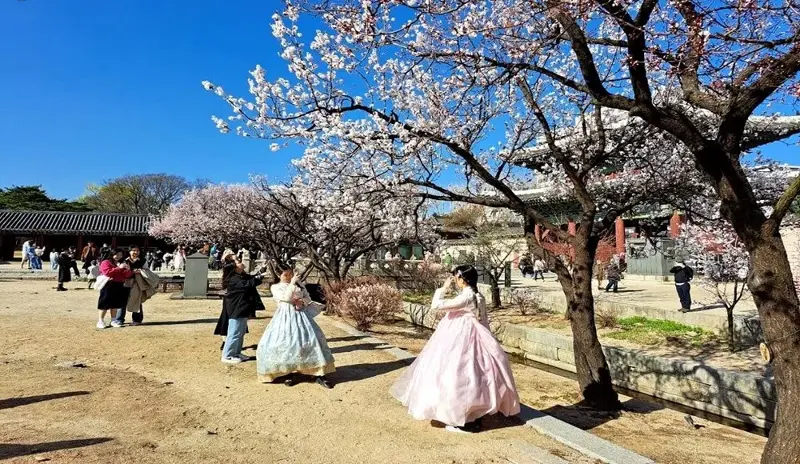
Tourism as the solution to the new development challenge.
It is noteworthy that President Lee's particular interest in tourism stems not only from the success of Hallyu.
South Korea is currently facing three major challenges simultaneously: slowing economic growth, a declining population, and a widening development gap between the capital region and other provinces.
In this context, tourism has emerged as one of the few sectors capable of creating jobs quickly, stimulating local consumption, and spreading benefits to many regions.
Unlike high-tech industries that are often concentrated in major economic centers, tourism can create development opportunities for remote localities by exploiting cultural and natural resources and local identity.
Therefore, when President Lee asserted that South Korea needed to move beyond a tourism growth model centered in Seoul, he was essentially referring to a more balanced national economic development strategy.
This isn't a story about tourism. It's a story about restructuring the national development space.
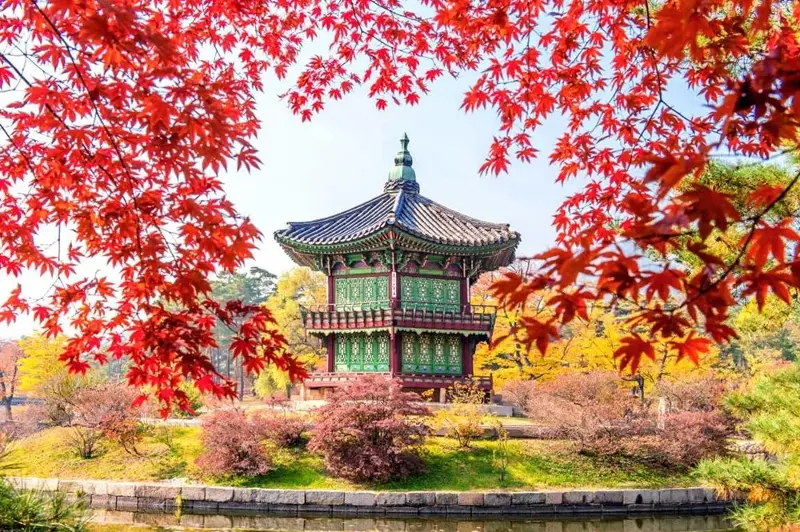
From concentrated growth to multipolar development
One of the biggest differences between President Lee's administration and previous administrations lies in its approach to regional tourism development.
For many years, the majority of international tourists visiting South Korea were concentrated in Seoul. This created an imbalance, with tourism revenue primarily flowing into the capital region, while many other localities struggled with economic development.
The government has implemented a series of policies aimed at changing that situation. Programs supporting domestic tourism in areas experiencing population decline have been expanded.
Tourists receive significant financial support when traveling to areas outside the capital region. Incentives for young people are also designed to encourage exploration of new destinations.
This approach demonstrates that tourism is being used as a tool to regulate regional development, rather than as an independent economic sector.
This mindset is similar to successful models around the world, where tourism is seen as a driving force for local revitalization and a contributor to narrowing the development gap between regions.
From short-term campaigns to national strategies
Another important indicator of the new status of tourism in South Korea is the institutional changes.
The amendment of the Framework Law on Tourism and the upgrading of the strategic coordination mechanism from the Prime Minister level to the Presidential level have implications that go far beyond administrative matters.
This is a clear political message: tourism is no longer a secondary sector but has become a national priority.
In international experience, countries with leading tourism industries often have a strong commitment from the highest levels of leadership. From Spain and Japan to the UAE and Saudi Arabia, tourism only truly thrives when integrated into long-term national development strategies. South Korea is currently following this path.
Growth figures are not the ultimate goal.
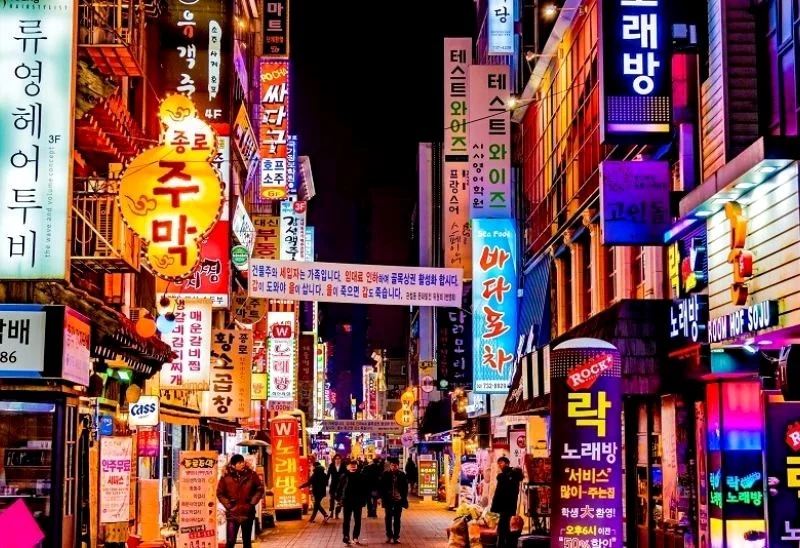
In 2025, South Korea welcomed a record 18.94 million international visitors. The first quarter of this year saw approximately 4.76 million visitors, a 23% increase compared to the same period last year. March alone recorded over 2 million international visitors, the highest monthly figure in history.
However, South Korean experts believe these figures only reflect a fraction of the success.
The bigger challenge is how to increase spending, extend the length of stay, and distribute the flow of tourists more broadly across the territory.
That is also why many experts propose shifting from a "unipolar" to a "multipolar" tourism model, with new centers such as Busan, Gangwon, Jeju, or the Jeolla provinces playing a role similar to Japan's Osaka-Kyoto-Kobe-Nara system.
A network of destinations linked by efficient transport infrastructure will create longer, richer journeys and deliver broader economic benefits.
Quality over quantity
The target of 30 million international tourists by 2029 demonstrates the ambitious goals of President Lee Jae Myung's administration.
But what is even more noteworthy is how the South Korean president defines tourism growth.
According to him, success cannot be measured solely by the number of visitors. What is important is that the benefits of tourism spread to small businesses, local commercial areas, and communities across the country. This perspective reflects the new trend in the global tourism industry.
After a period of focusing solely on tourist numbers, more and more countries are shifting towards pursuing quality growth, emphasizing added value, visitor experiences, and community benefits.
Therefore, the most noteworthy aspect of President Lee Jae Myung's tourism policy is not the target of 30 million visitors.
Importantly, he is trying to transform tourism into a tool for restructuring the economy, promoting regional development, and creating new growth drivers for South Korea in the post-industrial era.
This could be one of South Korea's most strategic decisions in the next decade.