



TIME has unveiled its annual Best Inventions of 2026 list, highlighting products, technologies, and ideas that aim to make everyday life smarter, more accessible, and more efficient.
The latest edition recognizes 300 inventions across a wide range of industries, alongside 100 special mentions. The list includes everything from next-generation smartphones and AI-powered software to accessibility tools, agricultural technologies, and innovations in space exploration.
Smartphones, cameras, and consumer electronics
Consumer electronics remain a major part of this year’s selection, with several products highlighting how manufacturers are rethinking familiar devices.
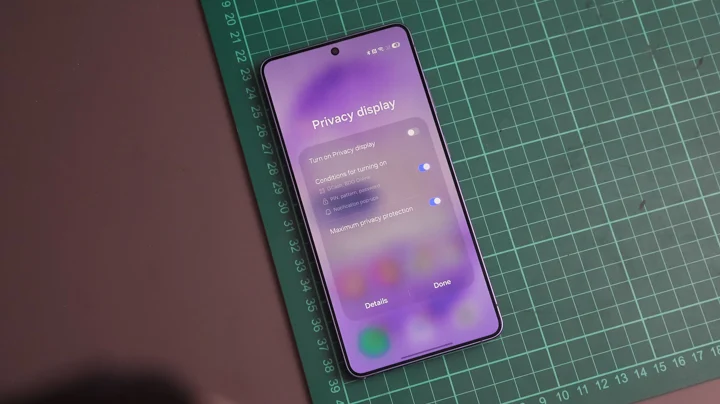
Among the featured products is the Samsung Galaxy S26 Ultra, which TIME recognizes for its privacy-focused display technology designed to limit screen visibility from the sides. Other selections include the Fujifilm Instax Mini Evo Cinema, a hybrid instant camera that combines photography with video recording, and the Nikon RED ZR, which brings professional filmmaking capabilities into a more portable camera system.
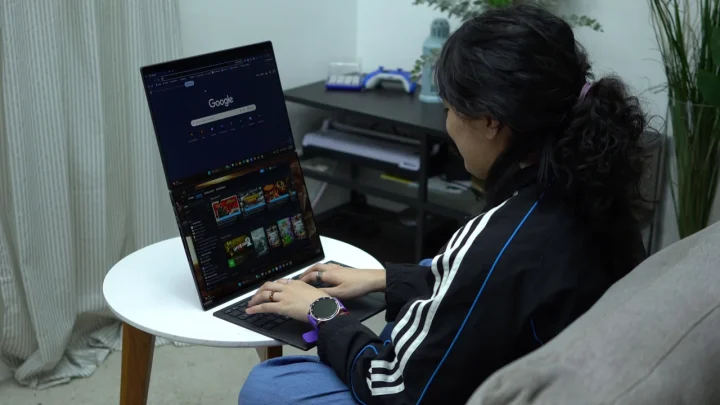
The list also includes the GoPro Mission 1 Pro ILS, the Asus Zenbook Duo, and the Framework Laptop 13 Pro. These products represent different approaches to content creation, multitasking, and repairability.
Other notable entries include the Anker Prime Charger, the LG OLED Evo AI W6 television, and the TCL X11L SQD-Mini LED TV, reflecting continued efforts to improve charging convenience and home entertainment.
AI takes center stage
Artificial intelligence is another prominent category in TIME’s 2026 selection, with tools designed for software development, content creation, language accessibility, and data analysis.

Anthropic’s Claude Code is included for its AI-assisted software engineering capabilities, while Lovable is recognized for helping users build applications and websites without requiring extensive coding knowledge.
Google SynthID also appears on the list for its work in identifying AI-generated content, addressing the growing need to establish the origin of digital media.
Other featured innovations include Meta Omnilingual ASR, which focuses on speech recognition across languages, and Nvidia NemoClaw, an AI agent platform emphasizing controlled execution and security.
These selections reflect how AI development is expanding beyond chatbots into specialized tools for developers, businesses, and everyday users.
Accessibility and healthcare innovations
TIME’s list also highlights technologies designed to improve accessibility and support people with disabilities.
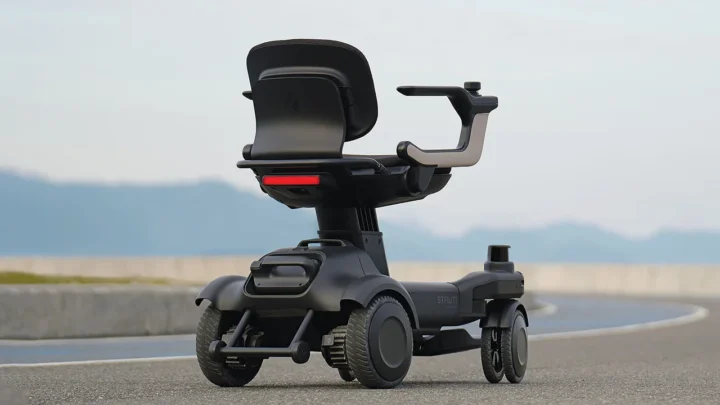
Among the selections is OneCourt, which uses haptic technology to help blind and visually impaired sports fans experience live games through tactile feedback. The list also includes the Mangoslab Nemonic Dot, a Braille label-maker, and Strutt ev¹, a power wheelchair designed with smarter mobility features.
In healthcare and medical technology, the selected innovations range from new approaches to diagnosis and treatment to tools intended to make specialized services more accessible.
The broader selection demonstrates how technological advances can address practical challenges beyond consumer convenience, particularly in healthcare and inclusive design.
Robotics, agriculture, and sustainability
The 2026 list extends beyond personal devices and software, recognizing innovations intended to improve industrial operations, food production, and resource management.
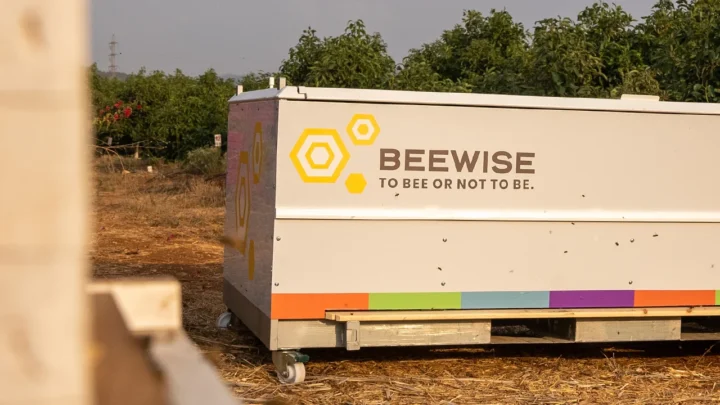
Agricultural selections include Beewise ROBI, a robotic system designed to help manage honeybee colonies, and 2nd Nature AgWaste Portal, an AI platform that aims to identify and develop useful ingredients from food-processing by-products.
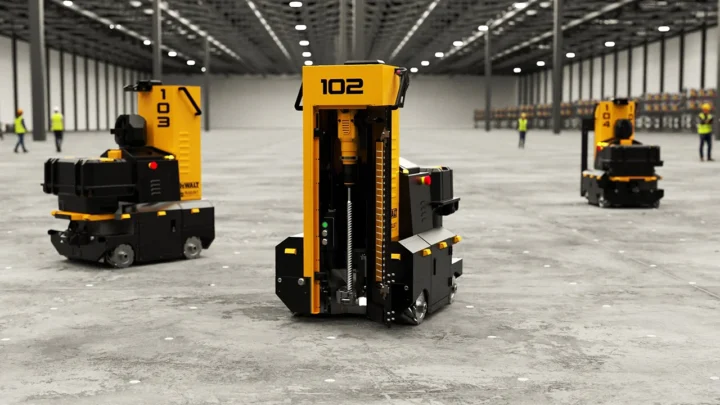
In robotics, DEWALT and August Robotics’ DALE autonomous drilling robot was recognized for its role in improving precision and efficiency in construction work.
Sustainability-focused entries include technologies that explore alternative materials, resource recovery, and more efficient production processes. These innovations target challenges such as waste reduction, agricultural productivity, and the environmental impact of conventional manufacturing.
Space exploration also makes the list
Scientific research and space exploration are represented by NASA’s Nancy Grace Roman Space Telescope, which was recognized for its potential to investigate dark matter, dark energy, and planets beyond our solar system.
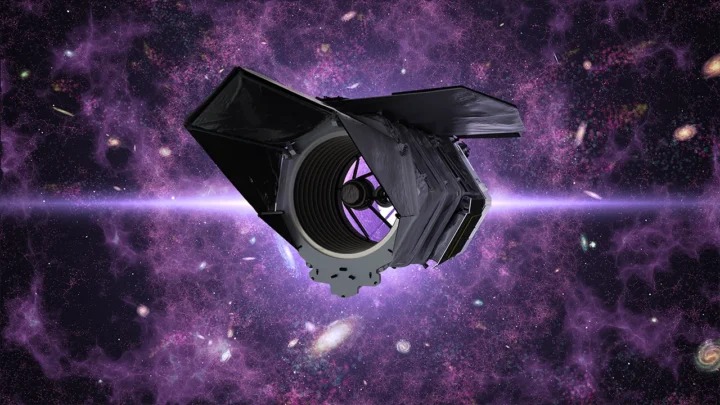
The telescope is designed to combine a wide field of view with infrared observations, allowing scientists to survey large regions of the sky while gathering data for a broad range of astronomical studies.
Its inclusion underscores how TIME’s annual selection extends beyond commercially available gadgets to technologies that could contribute to major scientific discoveries.
How TIME selected the 2026 inventions
TIME said its editorial team evaluated the entries based on four key factors: originality, efficacy, ambition, and impact.
The publication also noted that some companies may have paid an application fee to have their products considered, but that payment does not affect inclusion or ranking.
Rather than focusing on a single technology category, the annual list brings together innovations from consumer products, business software, healthcare, science, and other fields.
With 300 inventions and 100 special mentions, TIME’s Best Inventions of 2026 offers a broad look at technologies that could shape how people live, work, communicate, and interact with the world.
The full list is available on TIME’s official website: https://time.com/collection/best-inventions/2026/.