



Long before “American Pie” became synonymous with nostalgia and national identity, the classic dessert was a humble farmhouse staple. Apples were abundant in early colonial America—so plentiful, in fact, that nearly every homestead had an orchard. Crafting pies from hand-picked apples was a way for settlers, both male and female, to preserve the fruits well beyond autumn. Wrapped in a simple flour-and-fat crust, apple pie evolved from a practical preservation tool to a symbol of warmth, family, and the American hearth.
But the story of American pie isn’t purely native. Its roots stretch across the Atlantic, tracing back to England and even earlier to medieval Europe, where fruit pies were enjoyed by royalty and commoners alike. What makes American pie unique, however, is the way it became entwined with the nation’s identity—rising from orchard roots to icon status as the centuries turned.
Wholesome flavors, shifting meanings: More than just dessert
Today, “as American as apple pie” is shorthand for authenticity, goodness, and simplicity—but these layers of meaning took generations to bake into cultural consciousness. During the 18th and 19th centuries, apple pie recipes were found in nearly every American cookbook, served both at grand celebrations and humble dinners. The easy adaptability of apple pie—its crusts, fillings, and spices—meant every region and family could make it their own. This versatility helped transform the pie from ordinary fare to cherished comfort food.
By the 20th century, especially during World War II, apple pie gained powerful emotional resonance. Soldiers missed the pies from home, and advertisers leaned into the image, linking the dessert to tradition, family, and even patriotism. Classic slogans like “for Mom and apple pie!” cemented the dessert’s place in America’s collective heart, weaving it into everything from baseball metaphors to Hollywood scripts.
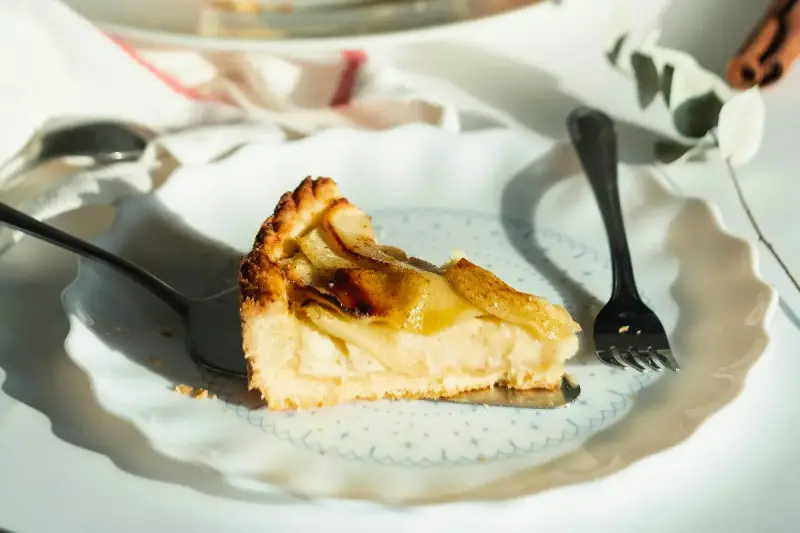
Fascinating facts that sweeten the story
Peek behind the flaky crust, and apple pie reveals some surprising trivia:
- Apple pie isn’t strictly American. The phrase “as American as apple pie” didn’t appear until the 1920s, though the pie had been popular for centuries.
- Pies were once eaten without forks or plates. Early pies, often called “coffins” in England, had thick, inedible crusts and were meant more for storage than snacking.
- The saying fueled pop culture. “American Pie,” Don McLean’s legendary 1971 song, used the dessert as a metaphor for innocence lost, forever linking apple pie with memory and melancholy.
- Apples themselves weren’t native to North America. Most of today’s pie apples were bred from varieties brought by European settlers.
- Apple pie with cheese? In parts of New England and the Midwest, a slice of cheddar on top of warm pie remains a quirky, beloved combination.
The future of an all-American icon: innovation meets tradition
Intriguingly, apple pie has never stood still. Modern bakers riff on tradition, blending heirloom apples with innovative spices, vegan crusts, or gluten-free flours. Regional specialties—think sour cream apple pies in the Midwest or lattice-topped pies in the South—continue to evolve, keeping the tradition as fresh as a just-baked crust. Trend-watchers note the rise of unique apple hybrids, seasonal farm-to-table baking, and even deconstructed pies that challenge what “classic” really means.
Meanwhile, apple pie’s popularity persists beyond the dessert plate. It’s a motif in art, literature, and fashion—a shorthand for American nostalgia that maintains its sweetness even as styles change.
Apple pie’s journey, from its humble orchard beginnings to its revered place on dinner tables (and in songs), is a testament to the power of food as culture. The next time you savor a slice, will you think of the hands that planted the orchards, rolled the dough, or sang its praises? In every bite, there’s a story that invites us to explore not just what we eat, but who we are becoming.