


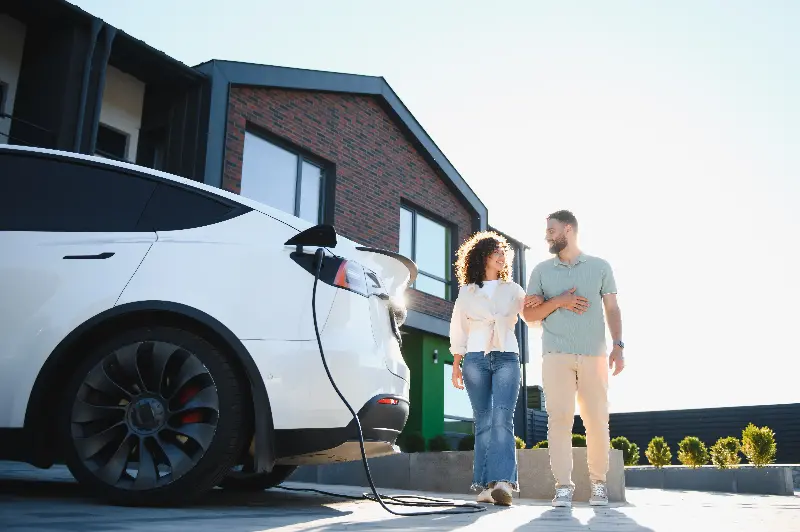
If you are on the road to electric vehicle (EV) ownership, you are in for some significant perks—goodbye, frequent gas station stops, and hello, fueling from your own driveway. However, before you plug in, having a reliable, streamlined home charging setup is essential. Let’s explore the secrets to making home EV charging smoother, smarter, and more satisfying.
UNDERSTANDING THE BASICS: LEVEL 1 VS. LEVEL 2 CHARGING
Not all EV chargers are created equal. Choosing the right one depends entirely on your daily driving habits and your home’s electrical capacity.
- Level 1 Charging: This uses a standard 120-volt household outlet. While it requires no special equipment, it is slow—expect to add only about 3–5 miles of range per hour. This is best suited for plug-in hybrids or drivers with very short daily commutes.
- Level 2 Charging: This is the "sweet spot" for most owners. It requires a 240-volt circuit (similar to what a clothes dryer uses). This setup adds 20–40 miles of range per hour, allowing most drivers to wake up to a full "tank" every morning.
CHOOSING THE RIGHT CHARGER: SMARTS AND SAFETY
The charging unit itself matters for both performance and peace of mind. Today’s best home chargers are "smart" devices that connect via Wi-Fi or Bluetooth to your smartphone. These allow you to:
- Track Energy Usage: Monitor exactly how much electricity your car is consuming.
- Schedule Sessions: Automate charging to occur during low-cost, off-peak electricity hours.
- Receive Alerts: Get notified on your phone if a charging session is interrupted.
Always look for chargers certified by trusted organizations such as UL (Underwriters Laboratories) to ensure fire and electrical safety. Additionally, consider a weatherproof model if you plan to install it on an exterior wall rather than inside a garage.

HOME ELECTRICAL CONSIDERATIONS: PLANNING FOR POWER
Before purchasing a Level 2 charger, you must check your home’s electrical panel. Most units require a dedicated circuit rated for at least 40 to 50 amps.
In older homes, you might be close to maxing out your panel’s capacity. A licensed electrician can assess your setup and recommend necessary upgrades. If you are currently renovating or building a new home, it is wise to "future-proof" by wiring multiple locations for EV charging, even if you only own one electric car today.
MAXIMIZING EFFICIENCY AND SAVINGS
Timing is everything when it comes to your utility bill. Many power companies offer "time-of-use" pricing, where electricity is significantly cheaper during late-evening or early-morning hours. By using a smart charger to automate your sessions during these windows, you can drastically reduce your "fuel" costs.
For the environmentally conscious, pairing your home setup with solar panels is an increasingly popular option. Some advanced chargers can even sync with your solar generation data, ensuring your car is powered by the cleanest energy possible.
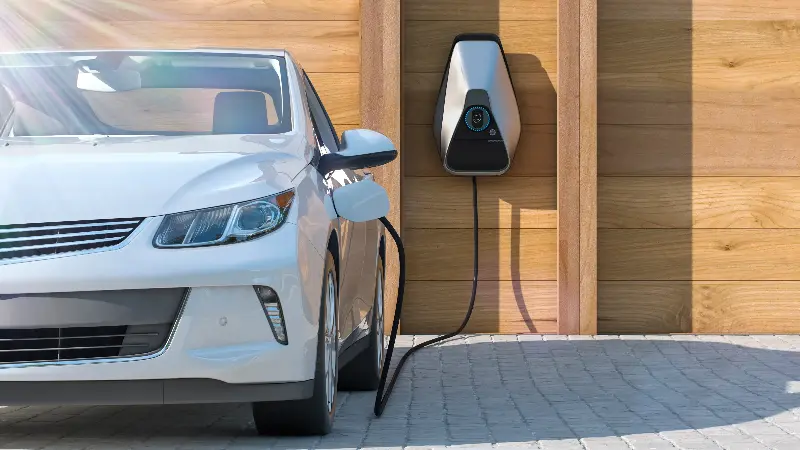
INSTALLATION TIPS FOR HASSLE-FREE CHARGING
Location is the most important factor for daily ease of use. When planning your installation, consider the following:
- Cord Length: Ensure the cord easily reaches your car’s charge port without becoming a tripping hazard.
- Permits: A professional installer will pull the necessary local permits, ensuring the system is up to code and safe for long-term use.
- Incentives: Don't overlook financial perks. The federal government, various states, and local utilities often offer tax credits or rebates that can cover 50% or more of your installation costs.
THE FINAL PLUG
A reliable home charging setup takes the stress out of EV ownership. By understanding your options and investing in the right equipment, you will find that "filling up" is as simple as plugging in a cell phone. With a bit of planning, you can enjoy the convenience of a full charge every single day.