


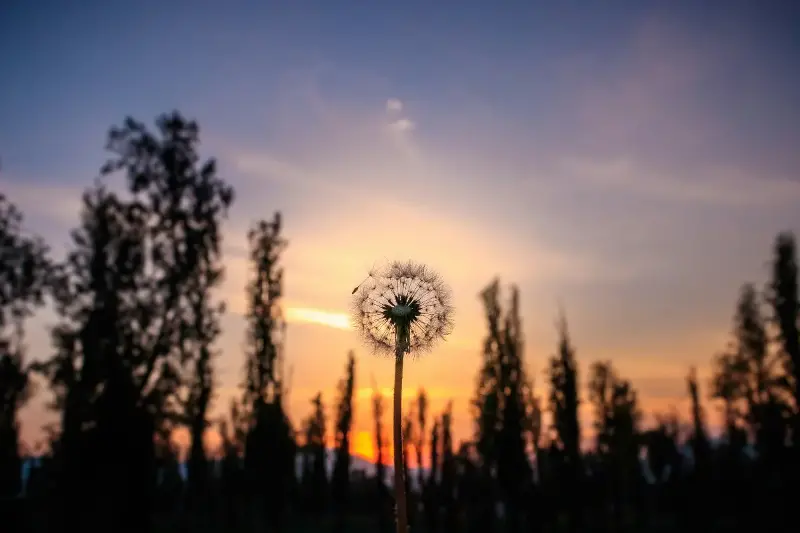
Across cultures and centuries, the act of blowing on a dandelion and sending its fluffy seeds into the wind remains a magical ritual. Anyone, anywhere—a child in an urban park, an elder on a countryside stroll—can pause, pluck, and wish. While this simple gesture feels deeply personal, its roots run through folkloric history, botanical science, and the universal need for hope and imagination.
From ancient superstitions to modern daydreams: Dandelions in folklore
Curious about where this charming tradition began? Dandelion lore stretches back to ancient civilizations. In medieval Europe, people believed that dandelions carried not only wishes but also secrets, prayers, and sometimes warnings. The fluffy seed head, known as a "clock," was more than a curiosity—it was a tool for divination. People would blow on the seed head and interpret the number of remaining seeds to predict luck, love, or time left in the day.
Across continents, Indigenous peoples used dandelions as signs from nature. For example:
- Some Native American stories saw dandelions as messengers, their seeds carrying hopes skyward.
- In the language of flowers (Victorian floriography), dandelions symbolize faithfulness and happiness, making them a common gift with hidden meaning.
Today, the act of blowing dandelion seeds is rooted less in superstition but endures in modern rituals: birthday wishes, hopeful beginnings, and tokens of childhood magic.
Resilience rooted in nature: What dandelions teach us
Beyond symbolism, dandelions themselves are botanical survivors. Thriving in sidewalk cracks, wild meadows, and manicured lawns, dandelions demonstrate impressive adaptability. Their bright yellow flowers transform into delicate puffballs, each seed equipped with its own parachute, designed to travel great distances in the wind. This evolutionary brilliance teaches lessons of resilience:
- Persistence: Dandelions bloom in adverse conditions, reminding us that beauty and hope can spring forth even in unlikely places.
- Adaptation: Their seeds adjust flight based on humidity, an impressive feat of natural engineering.
- Renewal: Even after being plucked or mowed, dandelions regenerate, offering a lesson in starting anew.
It’s little wonder that dandelions are embraced as symbols of resilience, joy, and the cycles of life.
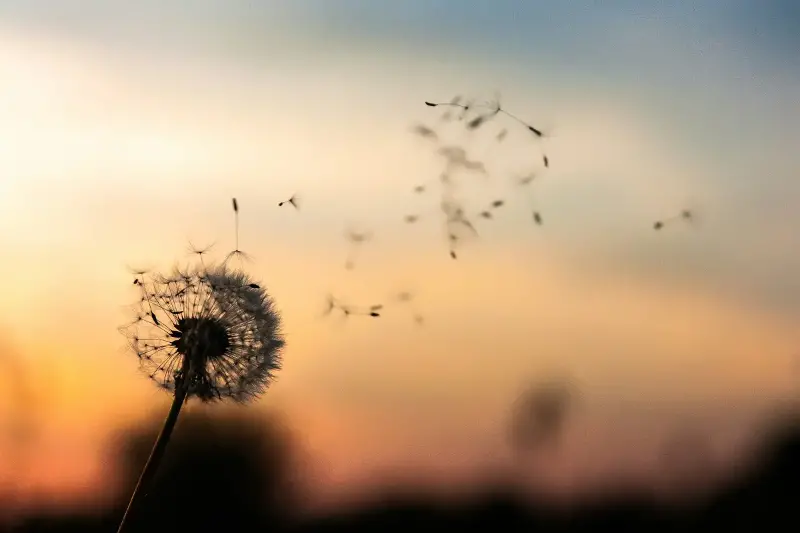
Childhood magic: Why blowing dandelions feels so special
What is it about dandelions that forever links them to childhood? The answer lies in a blend of science, nostalgia, and shared joy. Children are captivated by the transformation—a yellow flower turning into a white, ethereal sphere, ready to be sent sailing with one big breath. The ritual is spontaneous, accessible, and requires nothing but imagination.
The psychology behind dandelion wishes is just as enchanting:
- The act of wishing activates hope, inviting children (and adults) to dream beyond their present moment.
- The fleeting nature of the seeds mirrors the sweet impermanence of childhood itself.
- Blowing seeds becomes an early lesson in letting go—trusting dreams to the winds of chance.
A universal ritual with personal meaning
Whether you know the lore or not, the next time you stumble across a dandelion, pause and consider what you’re holding: a global symbol of hope, a survivor’s story, and a portal into playful wonder. Perhaps that’s why, from ancient fields to city parks, people have continued to blow dandelion wishes across cultures and lifetimes.
What dreams will you send soaring the next time a dandelion crosses your path? The answer, like the drifting seeds, is yours to discover.