


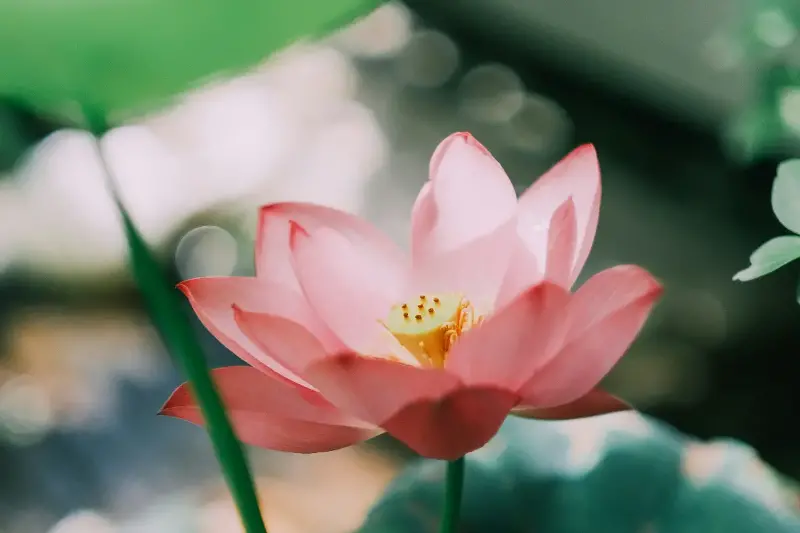
Every morning, as the first light of dawn dances across ponds and rivers from India to East Asia, a remarkable phenomenon unfolds: the blooming of the lotus. This stunning aquatic flower isn’t just a visual marvel—it represents a ritual of renewal, beauty, and hope observed for millennia. The lotus opens its petals at sunrise, reaching toward the light, closing again at dusk. This daily cycle of awakening is mirrored in myths, beliefs, and philosophies worldwide, making the lotus a powerful symbol that transcends its delicate form.
Roots in the mud, faces to the sky: The lotus in global traditions
The symbolism of the lotus is as layered as its petals. In Buddhism, the lotus rising unsullied from muddy waters illustrates the journey from ignorance to enlightenment—a metaphor for spiritual growth and purity. Similarly, Hinduism celebrates the lotus as a seat for gods and goddesses, from Vishnu to Lakshmi, embodying divine beauty and cosmic renewal.
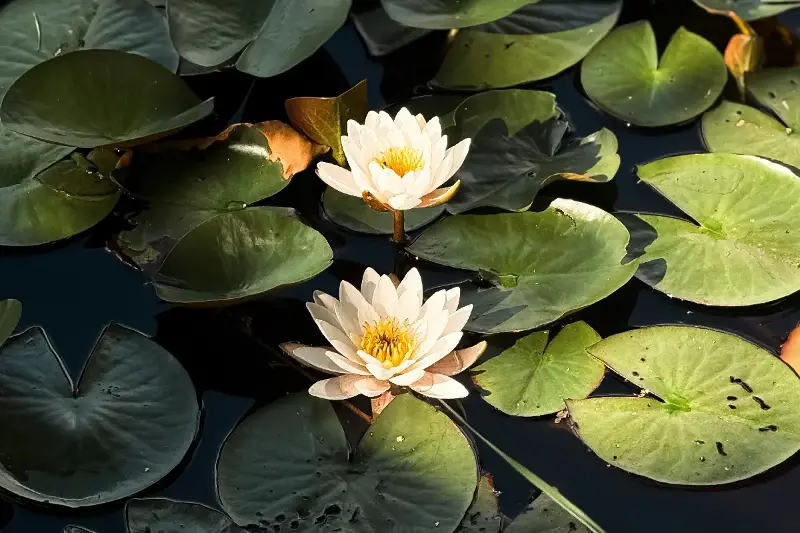
Meanwhile, in Ancient Egypt, the blue lotus represented rebirth and the sun’s daily journey, often depicted in tomb artwork and temple motifs. Even in Greco-Roman art and lore, water lilies (closely related to lotuses) found their place as emblems of beauty, serenity, and the ephemeral nature of life.
Beauty beyond the bloom: Why the lotus captivates scientists and artists alike
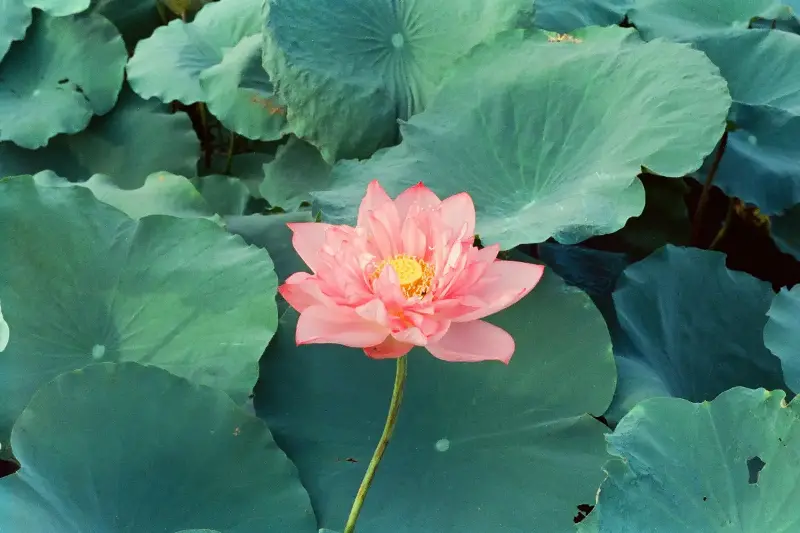
The secret behind the lotus’s pristine allure lies in its “lotus effect”—a microstructure on its leaves that repels dirt and water. This remarkable self-cleaning mechanism has fascinated scientists, leading to innovations in waterproof coatings and eco-friendly materials that mimic lotus leaves. Artists, too, have long been inspired by the elegant symmetry and resilience of the flower. From ancient scrolls to modern fashion prints, the lotus is a muse linking creativity, nature, and the search for meaning.
Curious facts about the lotus:
- It is one of the oldest flowering plants on earth, with fossil records dating back tens of millions of years.
- Some lotus seeds can remain viable for over a thousand years, a testament to their astonishing durability.
- Lotus flowers can regulate their temperature, maintaining around 30–35°C even when the surrounding air is cooler—an ability almost unheard of in the plant kingdom.
A sacred symbol still relevant today: The contemporary lotus experience
Today, the lotus continues to inspire across cultures and continents. It is integral to yoga and meditation spaces, symbolizing peace and centeredness. In contemporary jewelry, fashion, and home décor, its image connects us with timeless beauty and mindfulness. Across Asia, lotus festivals draw crowds eager to marvel at rivers and lakes painted pink and white by millions of blossoms—an ever-renewing spectacle of hope.
Devotion, beauty, and meaning at dawn: What the lotus teaches us
The universal story of the lotus bridges continents, beliefs, and generations. Its journey from muddy depths to radiant bloom at dawn is more than just a botanical wonder—it’s a lesson in resilience, transformation, and the pursuit of light, both literal and spiritual. As we watch a lotus open in the early morning sun, we’re reminded of the enduring human quest to rise above adversity and seek beauty and meaning in every new day. How might our own daily rituals reflect the wisdom of the lotus, and what might we discover by looking more closely at the quiet miracles unfolding all around us?